Salting eggplant chunks before cooking does more than remove bitterness. It physically breaks down the vegetable's spongy cell structure so it fries properly instead of absorbing all the oil in your pan. You might have experienced cooking a batch of watery, mushy vegetables in the past. This usually happens because dumping everything into the pot at once causes the ingredients to steam each other. Cooking this French classic involves specific techniques that transform a loose vegetable soup into a rich, cohesive dish. Anyone searching for how to make ratatouille using authentic methods needs to understand how summer produce reacts to heat.
What Is Ratatouille
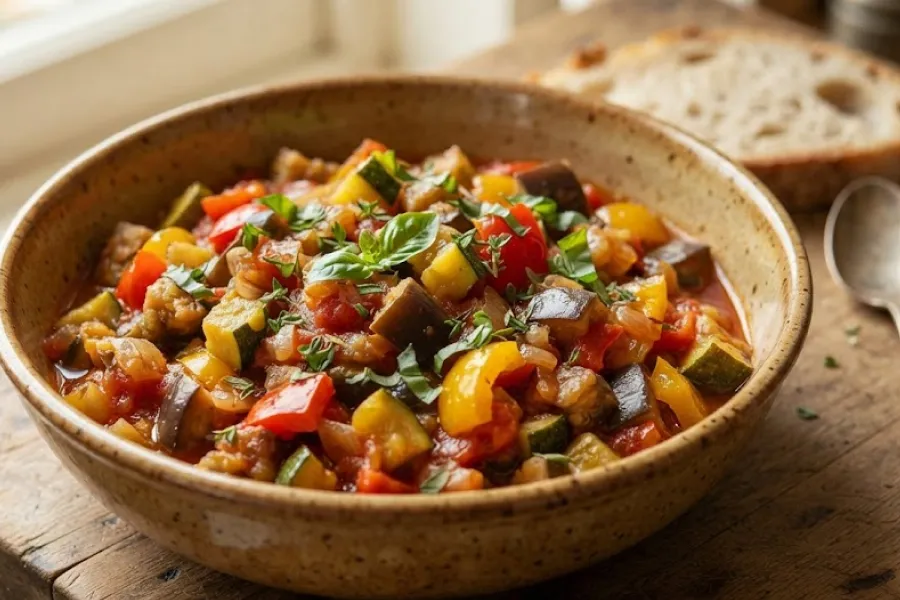
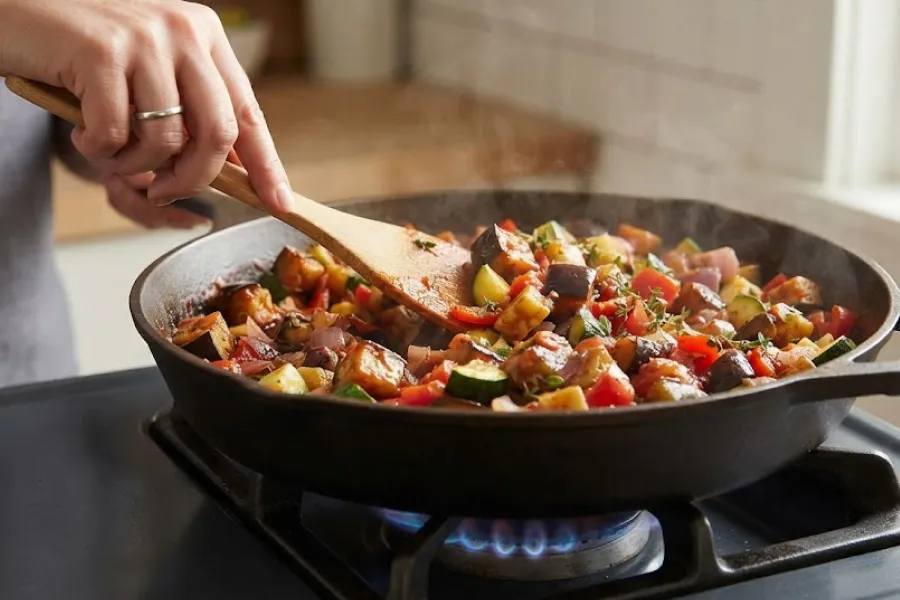
The idea that perfectly arranged vegetable slices baked in an oven represent the original dish is a modern myth popularized by movies. The authentic Provençal meal is actually a chunky, rustic stovetop stew. The dish functions as a rich olive oil emulsion rather than a basic tomato soup. Being generous with high-quality oil creates a signature silky mouthfeel. In a traditional ratatouille recipe, you should be able to taste the distinct flavor of every single vegetable. You know the stew is ready when you drag a wooden spoon across the bottom of your skillet and the liquid does not immediately flood back into the empty track. The thickness of the sauce at this stage indicates a proper bond between the oil and tomato juices.
The Cinematic Version Compared to the Original
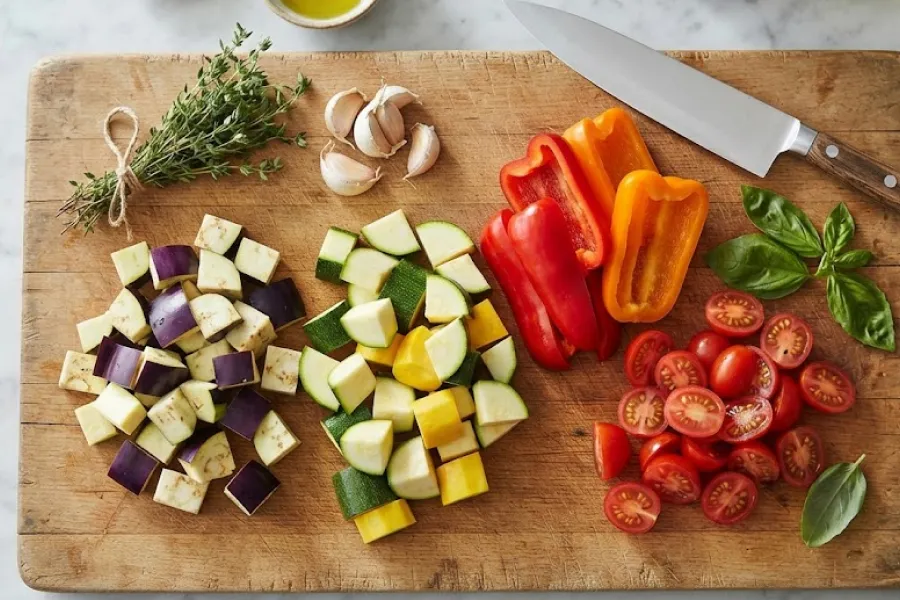
The movie version featuring thin vegetable rounds baked in the oven is technically a dish called a tian. Cooking a real ratatouille recipe does not require obsessively arranging paper-thin slices. You should chop the vegetables into large, rustic cubes so they maintain their texture under your teeth. This difference in cutting style changes how the produce behaves over the heat. Larger pieces resist breaking down and hold their shape during the final simmering phase. Keeping your zucchini, eggplant, and bell peppers roughly the same size ensures a balanced flavor in every bite.
Also read: How to Make Cheese Pizza
Ratatouille Ingredients List
Getting the base components right guarantees a good result. Adding green bell peppers introduces a sharp bitterness that ruins the mild sweetness of the squash and tomatoes. An easy ratatouille recipe only calls for yellow, orange, or red peppers. Peeling eggplants is an outdated practice for modern globe varieties. The skin gives the chunks structural integrity and stops them from turning to mush on the stove. Below is the ratatouille ingredients breakdown.
Ingredient Name | Quantity for Home Cooking | Pre-cook Prep Status |
|---|---|---|
Globe eggplant | 2 medium | Cubed with skin on |
Green and yellow zucchini | 2 each | Chopped into thick pieces |
Sweet yellow onion | 1 large | Diced roughly |
Red bell peppers | 2 medium | Chopped |
Fresh tomatoes | 5 medium | Grated |
Fresh garlic | 4 cloves | Finely minced |
Extra virgin olive oil | Half a cup | Ready for various stages |
Reaching for canned tomatoes is risky here. Commercial cans contain firming agents that prevent the fruit from breaking down into a silky sauce.
How to Make Ratatouille Step by Step
This process demands giving each vegetable its own time in the pan. Trying to cook everything together in a crowded pot traps moisture and creates a homogenous texture without distinct flavors. Sautéing the ingredients separately prevents them from steaming each other. This step allows actual caramelization to happen before everything mixes.
Prepping and Frying the Eggplant
Toss your diced eggplant in a colander with salt. Let the pieces sit for twenty minutes to release excess water. Pat them dry with a towel. Heat a wide pan over medium heat and pour in a good amount of olive oil. Drop in the eggplant. You know they are perfectly fried when the pieces stop looking opaque and turn completely translucent. At this point, they yield the temporarily absorbed oil back into the pan. Remove them and set them aside.
Sautéing the Squash and Peppers
Add a little more oil to the pan. Toss in the cubed squash and cook until tender. Take the squash out as well. Next, drop in the onions and red bell peppers. Sauté them until soft. Stir in the minced garlic halfway through this step. Once the garlic smells fragrant, you are ready to build the sauce base. Giving each vegetable its own turn in the hot pan brings out its best texture.
Building the Sauce and Combining
For a stovetop version, grating the tomatoes forces them to melt instantly. This creates a sticky sauce that easily coats the firmer squash and peppers. Add the grated tomatoes, thyme, and a splash of vinegar to the onions and peppers. Rushing this boiling stage leaves a raw tomato taste. Let the mixture simmer gently until it reduces into a jammy base. Return the cooked eggplant and squash to the pan. Let everything bubble together for a few minutes. If you want to know how to cook ratatouille properly, mastering this final simmering phase is the secret.
Traditional vs Modern Ratatouille Recipe
The main difference lies in heat application and texture. The traditional method happens on the stove. You fry the vegetables in olive oil and simmer them in tomato sauce to merge the flavors. A baked ratatouille involves slicing the produce thinly and layering it over a sauce bed in an oven dish. Roasting in the oven crisps the top layer slightly and creates a very neat appearance.
Choosing the Right Approach
Deciding between the two methods comes down to personal preference. The stovetop version offers deeply mingled flavors and a softer bite. The oven-baked method keeps the vegetable slices slightly firmer. Learning how to make ratatouille using both techniques gives you options based on your schedule. The rustic stovetop method usually feels easier for a regular weeknight dinner.
Tips for Perfect Ratatouille
Resting the dish is the real secret to that velvety texture. Storing the stew in the fridge overnight allows the natural pectins in the tomatoes and eggplants to set. This transforms the leftover liquid from a loose broth into a cohesive sauce. The flavors always taste significantly better the next day.

Balancing Acidity and Seasoning
Tomatoes carry different levels of tartness depending on the season. Pinching a bit of sugar into the sauce tames the sharp bite of the tomatoes and vinegar. Do not forget to season in stages. Sprinkle a little salt over each vegetable as it cooks instead of dumping it all in at the end. Adding fresh basil right before eating brightens up the heavy, cooked vegetables.
Workspace Setup for Heavy Chopping
Processing this much produce requires a large cutting board. A dull knife crushes the vegetables and forces them to leak water all over your counter. A wooden board gives you enough room to spread the pieces out without stacking them. Setting up your kitchen properly is half the battle when you learn how to make ratatouille from scratch. The rustic version skips the mandoline slicer entirely. Hand-chopped cubes produce a much better final texture.
Managing Surface Moisture
Summer vegetables hold a massive amount of water. Wiping your cutting board dry after processing the tomatoes prevents the squash from sitting in puddles. Wet vegetables hit hot oil and immediately start steaming instead of searing. Keep a paper towel nearby to blot the surface moisture off your eggplants before they go into the skillet.

Selecting Cookware for Heat Retention
Your choice of pan directly impacts the final texture. Heavy cast iron skillets hold their heat well. They prevent sudden temperature drops when you add a large batch of cool vegetables. A sudden drop in heat causes the produce to release water and boil. Thick stainless steel pans work well too. Avoid thin non-stick skillets because they simply cannot provide the intense heat needed to caramelize the squash and eggplant.
Giving the Ingredients Room to Breathe
Overcrowding the pan is a guaranteed way to ruin the dish. Vegetables need empty space to evaporate their internal moisture. Fry your eggplant and squash in two batches if your pan is small. Piling the pieces on top of each other steams the bottom layer and destroys that meaty texture. Maintaining enough room in the skillet guarantees you get the deep, roasted flavor this dish deserves.
The Final Touch for a Richer Stew
Sometimes a vegetable stew lacks the heavy, satisfying finish you want for a main course. This often happens if the vegetables release too much water right at the end of the cooking process. Adding a specific fat element right before serving balances the moisture and improves the entire dish. A handful of Calin pizza cheese sprinkled over the steaming hot vegetables melts instantly. The mozzarella-style stretch binds the rustic sauce together and adds a mild, creamy dairy note that cuts through the acidic tomatoes. It is a simple addition that turns a light summer side dish into a deeply comforting dinner. Thank you for reading our guide; we hope this classic recipe finds a permanent spot in your kitchen rotation.
Frequently Asked Questions
Cooking this dish without eggplant works perfectly well. Zucchini, red bell peppers, and onions form the base. You can compensate for the missing vegetable by grating the tomatoes and adding extra tomato paste for thickness. Keep the cuts chunky and fry everything in plenty of olive oil to maintain the rustic feel.
This stew pairs beautifully with fresh, crusty bread. For added protein, serve it alongside marinated salmon, grilled chicken, or steak. Spooning the rich mixture over pasta or warm polenta works wonderfully. Dropping a poached egg with a runny yolk directly on top creates an incredibly satisfying meal.
You can eat this dish at any temperature. It tastes great steaming hot right off the stove, at room temperature, or completely cold straight from the fridge. Resting the stew in the refrigerator and eating it cold allows the sauce to thicken and the vegetable flavors to deepen.