

Blog
How to Make Creme Brulee the Classic French Way

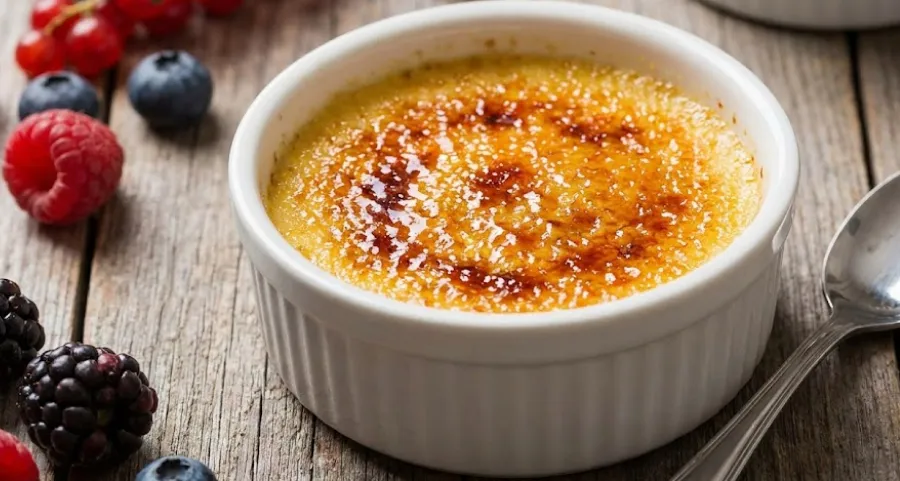
A faint smell of scrambled eggs when you pour hot cream into egg yolks means your liquid was too hot. Your dessert is ruined before it even hits the oven. Learning how to make crème brulee requires understanding how heat interacts with dairy and eggs. You want a contrasting treat where a chilled, silky custard sits beneath a brittle sheet of burnt sugar. Achieving that restaurant-quality classic creme brulee at home is simpler than you think. Avoid a few invisible missteps, and you can master this dessert without specialized pastry school training.
What Is Creme Brulee?
The name means burnt cream in French. The dish is defined by two opposing elements. Underneath lies a cold, velvety vanilla custard. On top sits a thin pane of hard, caramelized sugar that shatters when tapped with a spoon. This balance of temperatures and textures creates the entire experience.
The custard texturally mimics a thick Greek yogurt. When you scoop into it, the remaining walls should barely stand upright. It should not turn into a dense, solid cake or run like liquid across the plate. It must dissolve smoothly on your tongue. The heavy cream builds the body, while egg yolks provide the structure.
You can buy fresh cream from Calin.
The Fine Line Between Custard and Scrambled Eggs
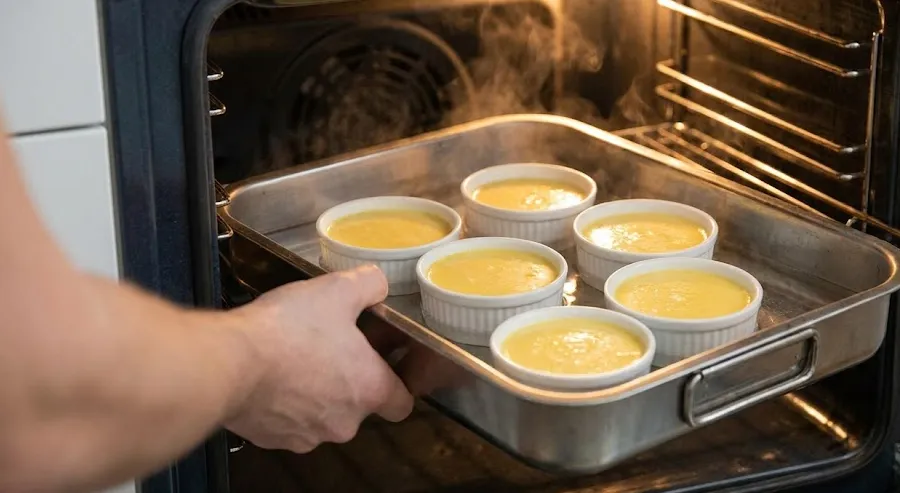
Egg proteins react aggressively to heat. If the mixture gets too hot, those proteins clump together tightly and squeeze out water. This turns your smooth base into a grainy, watery mess. When figuring out how to make crème brulee at home, using a water bath during baking is the most important technique to prevent this specific issue. The water absorbs the intense, direct heat of the oven and caps the temperature around the ramekins at the boiling point. This gentle environment lets the proteins set slowly without over-coagulating.
Creme Brulee Ingredients List
A great homemade creme brulee relies on a remarkably short shopping list. Since there are so few elements, the quality of each component is exposed. Artificial flavorings have nowhere to hide here.
Component | Exact Amount | Practical Quality Marker |
|---|---|---|
Whole Milk | 100 grams | Fresh full fat dairy |
Heavy Cream | 500 grams | At least 35% fat content to avoid curdling |
Egg Yolks | 115 grams | Fresh eggs with dark yolks |
White Sugar | 80 grams | Caster sugar for clean melting |
Vanilla | 1 pod | Whole fresh bean or pure paste |
The Role of Fresh Cream
Low-fat dairy alternatives destroy the signature texture. The high fat content in heavy cream coats the egg proteins, protecting them from cooking too fast. This fat provides the luxurious mouthfeel that defines the creme brulee ingredients. Always choose fresh dairy with a high fat percentage.
Vanilla as a Flavor Shield
The large amount of egg yolks can leave a strong sulfur smell. Fresh vanilla seeds mask this aroma completely. Scraping the interior of a whole pod releases tiny black seeds that speckle the custard beautifully. Pure vanilla paste is an acceptable substitute if whole pods are hard to find.
Tips for Perfect Creme Brulee Texture
To test the bake, gently tap the side of a ramekin. The center should have a cohesive jiggle like set gelatin. If it ripples loosely like liquid cream, it needs a few more minutes in the oven.
Let the ramekins cool slowly in the water bath on a wire rack. Moving them too quickly to a cold environment causes the smooth surface to crack. Once they reach room temperature, cover them tightly and chill them for at least six hours.
Picking the Right Ramekin
Shallow, wide ceramic dishes are better than deep cups. Wide dishes offer more surface area for the sugar coating. This maximizes the crunchy caramel in every single bite. Deep dishes alter the ratio, leaving you with too much plain custard at the bottom.
You can check out breakfast cheese in Calin website.
Achieving the Glass Crust
Before adding sugar, take a paper towel and gently blot any condensation off the chilled custards. Water makes the sugar boil into a sticky syrup instead of melting into a crisp sheet. Sprinkle a thin, even layer of caster sugar across the surface to complete your easy creme brulee recipe.
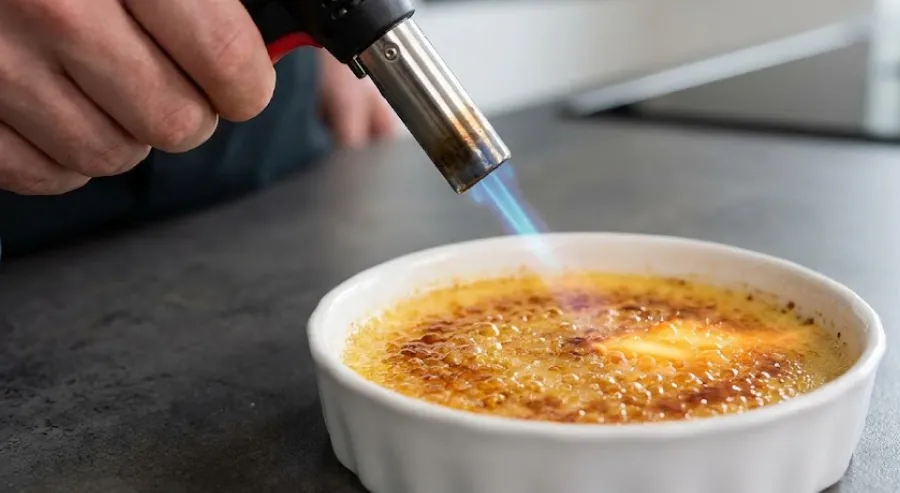
Superfine white sugar creates the cleanest shatter. Powdered sugar contains cornstarch which burns easily under a flame, while brown sugar contains too much moisture to harden properly. Melt the sugar using a kitchen torch, moving the flame constantly to avoid blackening.
Common Creme Brulee Mistakes and Solutions
Avoiding a few frequent errors makes the difference between an average dessert and a perfect one.
- Over-whisking the egg yolks: Whipping the sugar and yolks together rapidly introduces air into the base. These bubbles rise to the top during baking and form a thick, spongy foam layer that ruins the smooth surface. Always stir gently with a spatula instead of a wire whisk.
- Holding the torch too close: Keeping the flame stationary or too close to the sugar creates deep black craters rather than an even amber crust. Keep the torch moving constantly at a slight distance to melt the sugar slowly into a clean sheet.
- Serving immediately after caramelizing: Bringing the dish to the table the literal second it is torched ruins the temperature contrast. The residual heat from the flame warms the top layer of the custard. Place the ramekins back in the refrigerator for fifteen minutes to re-chill the cream before serving.
- Careless water bath filling: Pouring boiling water into the pan after pushing it onto the oven rack often causes splashes. Even a single drop of water landing inside the custard prevents it from setting properly. Always fill the pan while it sits flat on the counter.
How to Store Creme Brulee Properly
The baked custards keep well in the refrigerator for up to three days. Keep them sealed tightly with plastic wrap so they do not absorb background odors from other foods.
Never torch the sugar in advance. The caramelized crust absorbs moisture from the refrigerator and turns into a soft, sticky puddle within an hour. Burn the sugar right before you intend to serve the dessert. After torching, place the dishes back in the fridge for fifteen minutes. The intense flame warms the top layer of cream, and this quick chill restores the beautiful contrast between the hot crust and cold custard.
The Foundation of a Great Custard
Learning how to make crème brulee does not rely on advanced pastry skills. It comes down to respecting the heat and trusting the ingredients. After years of producing and testing dairy at Calin, we know that using cream with the highest possible fat content is the only real way to protect the delicate egg proteins and stop the custard from breaking in the oven. Keep the base cold, melt the sugar quickly, and serve the dish while that temperature contrast is sharp. Thanks for reading.
Also read: Cream Cheese Cake Recipe
Frequently Asked Questions
Cook the custard mixture in a double boiler over the stove. Stir constantly with a spatula until the liquid reaches 175°F or 79°C and coats the back of a spoon. Pour the smooth base directly into your ramekins and refrigerate until fully set.
Yes, you can bake the custards and store them in the refrigerator for up to three days. Keep them covered tightly. Wait to add and torch the sugar until right before serving to keep the crust crisp.
Caster sugar or superfine white sugar works best. It melts evenly and cools into a glass-like sheet. Avoid brown sugar or powdered sugar, as they burn easily or turn soggy.