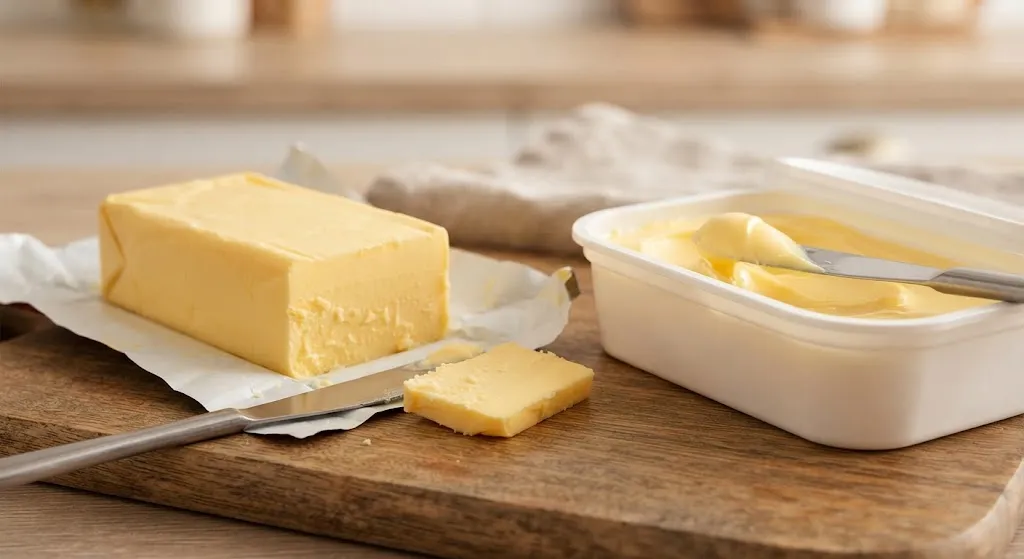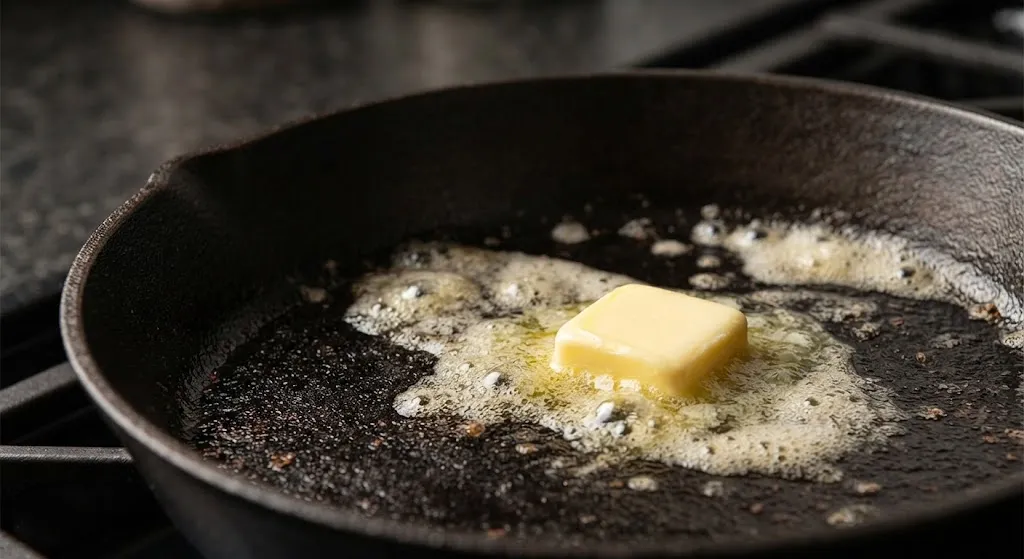
Drop a cold knob of real butter into a hot pan, and it foams up, singing quietly before smelling like toasted nuts. Throw in a spoonful of margarine, and it just sputters and pops like an angry puddle. Getting the butter vs margarine choice right dictates the success or failure of your hours in the kitchen. You stand at the stove daily, and you have likely stared at the grocery store shelves wondering which block to grab. Grabbing the wrong one alters the final texture of your dough and changes the intended flavor of your dinner. We see this happen all the time, and learning the physical differences between them saves a lot of wasted ingredients.
Butter vs Margarine: Main Differences
The ingredients inside these two fats sit worlds apart. Cream straight from the dairy gets churned to create butter, packing it with natural animal fat. Margarine starts as liquid vegetable oil, which manufacturers chemically alter so it stays solid on your counter. You can test this behavior in your own kitchen by leaving a slice of each on a room-temperature plate. The dairy fat holds its shape but slowly softens. The vegetable spread begins sweating, forming tiny beads of oil on its surface.
That dairy fat melts cleanly on your tongue and leaves no residue. Those soft spreads in plastic tubs are designed for dragging across hot toast, not for high-heat cooking. Dropping a scoop of tub spread into a skillet just creates a watery mess that burns quickly. The raw ingredients dictate exactly how you can use them safely around a flame.
Also read: Nutrition facts of butter
Behavior Under Direct Heat
Searing meat requires high heat and a fat that can handle it. Dropping cold dairy fat into a blazing skillet often results in a black, bitter pool before the steak even hits the metal. To get that dark, heavy crust without smoking out your kitchen, you must skim the white foam off the melted liquid first. The clear golden oil left behind takes the heat perfectly.
Vegetable spreads carry a high water content. They spit aggressively in a hot pan and struggle to create a proper crust on proteins. They tend to steam and stew the food instead of frying it.
Kitchen Performance Breakdown
Fat Type | Reaction in a Hot Skillet | Sensation on the Palate |
|---|---|---|
Cold stick butter | Foams, sings, smells like sweet cream | Melts away completely, leaving a clean finish |
Soft tub spread | Pops, splatters water, burns at edges | Coats the roof of the mouth with a waxy film |
Hard block margarine | Smells like hot cooking oil, melts slowly | Leaves a heavy, lingering fat layer on the tongue |
Nutritional Comparison
Looking closely at the contents reveals distinct origins. Examining the butter vs margarine nutrition facts uncovers exactly what goes into your food:
- The vitamin source: Churned cream naturally carries vitamins like A and D passed straight from a cow's grass diet. Plant-based spreads arrive completely empty of these nutrients, meaning factories have to pump them in artificially before sealing the tub.
- The ingredient list: Turn a real dairy package around and you usually see just two simple things: cream and salt. A tub of vegetable spread hides behind a massive paragraph of binding agents, artificial colors, and heavy preservatives just to hold its shape on the shelf.
- The flavor trick: You might buy a plant-based block expecting a pure vegetable product. Instead, many brands sneak milk powder into the mixture to fake that rich, natural taste you get automatically from real cream.
Caloric Density and Water Content
Both options deliver high calorie counts and heavy fat loads. The saturated nature of animal fat keeps it firm in the refrigerator. Plant oils remain unsaturated and liquid, requiring industrial processing to harden them for packaging.
Certain tub spreads contain significant amounts of added water to lower their total calories. This extra water causes headaches at the stove. Trying to fry onions in a high-water spread results in boiled, limp pieces instead of crispy, golden-brown edges.

Which Is Healthier: Butter or Margarine
Assuming that trading your daily dairy fat for a cheap supermarket spread automatically improves your diet is a flawed idea. People flocked to vegetable spreads for decades to avoid saturated fats. Many budget-friendly tubs contain heavy processing agents that the human digestive system handles poorly.
The human body processes natural, simple fats more easily than oils forced into a solid state. Soft tub spreads generally offer a better profile than hard, stick-style vegetable blocks, but they are not a magic health fix. A balanced diet depends on total daily intake and individual body needs. High-quality dairy used sparingly brings immense flavor and satisfaction to a meal.
The Yellow Block Illusion
Shoppers frequently buy cheap, hard yellow blocks thinking they are getting a pure, healthy plant product. Reading the fine print often reveals added whey or milk powders. Manufacturers add these dairy derivatives because raw, processed vegetable oil tastes unappealing on its own.
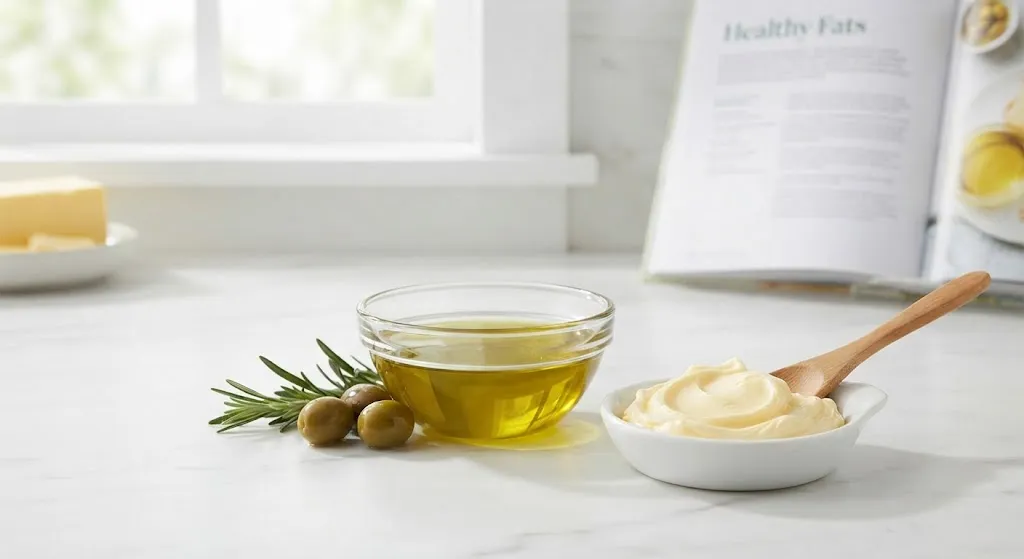
These stiff blocks carry fats that sit heavily in the stomach. For everyday eating, a bottle of olive oil provides a much cleaner option for your morning bread than heavily processed artificial blocks.
Effects on Heart Health and Cholesterol
Dietitians constantly debate the impact of butter vs margarine cholesterol levels. Saturated animal fats raise both bad and good cholesterol in the bloodstream. Medical advice previously demanded cutting dairy fat completely, which pushed the public heavily toward artificial vegetable spreads.
Older versions of those spreads relied heavily on trans fats. Trans fats damage the heart severely by raising bad cholesterol and tanking the good kind. Modern spreads have removed trans fats, relying instead on unsaturated oils that are gentler on blood vessels. Eating massive amounts of either fat puts a heavy load on the heart, making portion control the only real rule.
The Waxy Coating Test
Your mouth tells you exactly how these fats digest. Eating a cake frosted with vegetable spread leaves a slick, waxy film coating the roof of your mouth. Drinking a glass of water fails to wash it away. That sensation happens because the modified oils resist melting at normal human body temperature.
Natural dairy fat melts rapidly on the tongue and disappears without a trace. This clean mouthfeel indicates that the body recognizes and digests natural fats easily. This simple sensory test at the dinner table reveals exactly what you are feeding your system.
Pastry Performance and Dough Texture
Bakers must understand how butter vs margarine for baking actually works in practice. An old kitchen myth suggests you can swap them freely in any recipe with identical results. The oven always exposes the truth behind that lie.
Creating a pastry crust that shatters perfectly on the tongue requires cold, solid dairy fat. The water inside the cold fat turns to steam in the oven, lifting the dough layers to create a flaky texture. Swapping in a vegetable spread turns that same dough into a dense, greasy lump that mashes under the teeth instead of snapping.
You can click on buy cheese to buy the best quality cheeses From calin.
Sauces and Flavor Finishing
A pan sauce finished with real dairy fat looks glossy and thick. Cooks drop a cold knob into the hot pan at the very last second to bind the liquid into a velvety coating. When a sauce breaks and leaks pools of grease, you likely used a fat with a poor moisture ratio or let the pan get too hot. This is a common frustration when working with inconsistent dairy.
Getting a stable sauce without splitting depends entirely on the fat-to-moisture balance. Calin butter maintains a tight, consistent moisture ratio specifically designed to melt smoothly into hot liquids without separating. It binds pan sauces instantly, delivering a rich, creamy finish without leaking clear oil over the plate. Vegetable spreads lack this binding ability, leaving ugly grease spots floating on top of your pasta or meat.
Gentle Skillet Browning
Searing chicken breasts over medium heat with natural dairy fat creates a beautifully browned, flavorful exterior. The milk solids toast slowly, adding a savory depth to the meat. Plant-based spreads cannot replicate this toasted flavor profile, leaving the chicken pale and tasting only of hot oil.
Cooks often pour a small splash of neutral cooking oil into the pan alongside their dairy fat. This trick raises the smoking point, allowing you to cook slightly hotter without burning the milk solids.
The Purpose of Salted Blocks
Producers sell both salted and unsalted blocks. Salt originally acted as a natural preservative to keep the raw cream from spoiling quickly on the shelf. Today, manufacturers add it simply to enhance the taste. You should buy unsalted blocks for baking, allowing you to control the exact saltiness of your cookie dough.
Factories pump heavy amounts of salt into vegetable spreads to mask the flat, dull taste of processed oil. This hidden salt easily ruins a savory recipe, making your dinner far saltier than you intended.
Bringing Real Flavor to the Table
We spend hours at the stove wanting everything to turn out perfectly. When cookies fall flat or a sauce separates, the fault often lies with ingredients that behave poorly under heat. Cooking requires fats that cooperate with your techniques and deliver an honest, clean taste to the final dish. Understanding how these fats react to heat and cold gives you complete control over your food, saving you from ruined dinners and wasted effort.
Also read: How butter is made
Frequently Asked Questions
Many people assume vegetable spreads contain zero animal products. However, factories frequently add milk powder or whey to replicate a dairy taste. You must check the ingredient label carefully to ensure the product has no hidden animal derivatives.
Solid dairy fat always performs better in the oven. The natural water content steams during baking, creating flaky, lifted layers in pastry and biscuits. Vegetable spreads contain too much water and oil, making dough heavy and causing cookies to bake flat.
Older vegetable blocks relied on trans fats, which severely damaged heart health. Most modern factories have phased out trans fats entirely, replacing them with unsaturated plant oils. Checking the nutrition panel remains the safest way to verify the exact fat content.