

Blog
Nutrition Facts of Butter

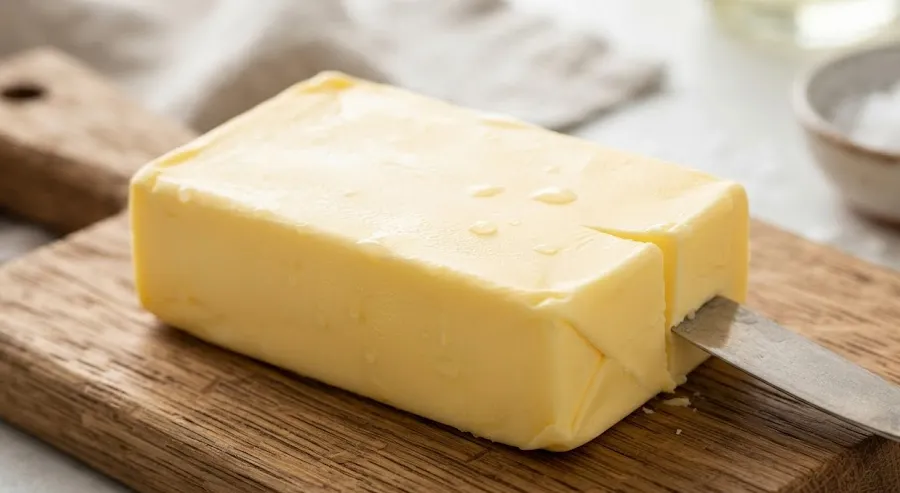
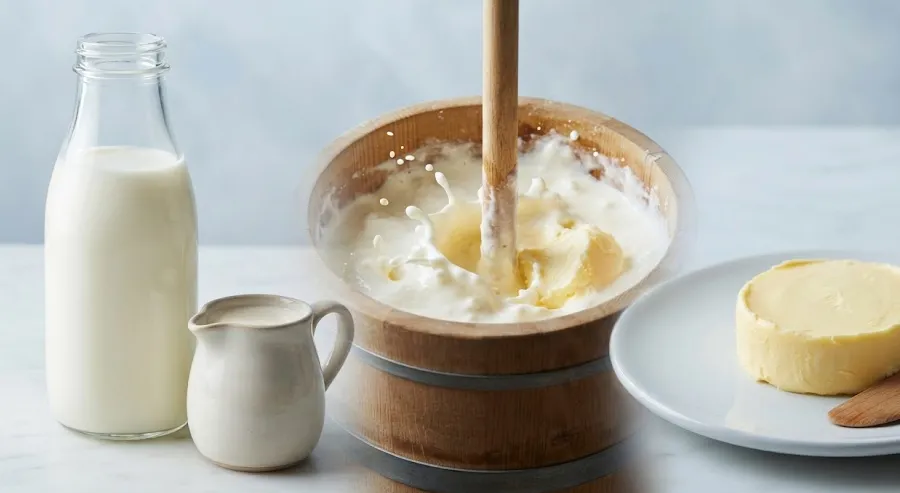
Calories and Macronutrients in Butter
Fats make up the vast majority of this dairy item. The significant amount of Saturated fat in butter gives it excellent resistance to high heat. Many folks pile massive scoops onto their meals. Doing this just creates a heavy pool of grease at the bottom of the plate. You know you have added the right amount when the food looks glossy and smells sweet.
The Right Amount for Flavor
You do not need to overdo it to get the Butter calories per tablespoon into your diet. A single, well-placed pat carries all the flavor you need and keeps you full. Piling on huge chunks smothers the taste of the actual food. Cooks often repeat this mistake when searing steak. The meat ends up boiling in fat instead of getting a proper crust.
Common Breakfast Mistakes
The internet is full of strange advice. People recommend blending massive, thick chunks into your morning coffee for weight loss. Dropping pale, low-quality sticks into your coffee makes the drink taste flat and greasy. Consuming that much fat on an empty stomach usually leaves you feeling sick.
Kitchen Portion | Approximate Calories | Pan Appearance | Final Plate Texture |
|---|---|---|---|
Hazelnut size (on veggies) | 35 | Clear and glossy | Light and fragrant |
Tablespoon (for sautéing) | 102 | Gentle golden foam | Crisp with a nice crust |
Three tablespoons (common mistake) | 300+ | Grease pool around food | Wet, heavy, and oily |

The Daily Nutritional Value of Butter
Looking at the numbers helps you understand why you only need a small amount to make your food taste rich. A single spoon carries enough weight to change the whole character of a dish. You do not need a dictionary to know that fat carries flavor, but seeing the actual breakdown puts things into perspective. The fat content gives you energy and keeps you full. You can see how quickly the calories stack up if you drop massive chunks into your pan carelessly. Watching a thick slice melt over a baked potato looks great. Those extra calories hide easily inside the hot vegetable.
That heavy load is exactly why baking requires precise measuring. Guessing the amount usually leaves you with a greasy cake. A careful cook uses just enough to brown the meat or crisp the pie crust. Measuring your portion keeps your meal balanced.
Kitchen Measurement | Calories You Add | Fat Content | Natural Vitamin A |
|---|---|---|---|
Thin swipe on warm bread | 35 | 4 grams | Trace amount |
Level tablespoon in the skillet | 102 | 11.5 grams | 11 percent |
Full stick for baking | 814 | 92 grams | 90 percent |
Keep these numbers in mind next time you reach for the knife. A light hand gives you all the flavor and none of the sluggish feeling afterward.
Also read: How to make garlic butter
Vitamins and Minerals in Butter
This ingredient is more than just fat. Tiny amounts of vitamins exist alongside calcium and sodium. When you drop a pat of yellow fat onto a hot pile of steamed carrots, you are doing more than making them taste good. That rich coating actually helps your body absorb the nutrients locked inside those vegetables. Reviewing the Butter nutrition facts and benefits reveals exactly what hides in that golden block. You must keep it wrapped tight in the fridge to maintain that quality. Air and light ruin the good stuff quickly.
Here is what lands on your plate:
- Vitamin A: The deep yellow color tells you this block holds a good amount of vitamin A. Cows eating fresh grass pass this directly into their milk. This specific vitamin requires fat to break down in your stomach properly.
- Vitamins D and E: You will find a small dose of these inside every tablespoon. Having a little bit melted over your morning oatmeal gives your body a quiet boost. They ride along without changing the taste of your breakfast.
- Vitamin K2: A stick from pasture-raised cows holds a rare nutrient called vitamin K2. You cannot see or smell it in the hot pan. It simply supports your bones over the years.
- Sodium and Calcium: Salted sticks carry sodium to preserve the fat and sharpen the taste on your tongue. A tiny trace of calcium tags along from the milk. Always use the unsalted version for baking so you control the saltiness of your pie crust.
You can buy breakfast cheese from Calin.
Fridge Storage Rules
Leaving your good block uncovered in the fridge ruins it completely. No cook wants their careful work spoiled by the sharp smell of onions. Fats easily absorb surrounding odors. Leaving the wrapper open guarantees your morning toast will taste faintly like yesterday's chopped onions. Always keep it in a sealed container.
Salted vs Unsalted Flavor Differences
Salted products contain more sodium, giving them a sharper taste. Extra salt tastes much better on bread at the breakfast table. Always choose the unsalted version for baking pastry. This lets you control the final flavor and prevents the dough from becoming too salty.
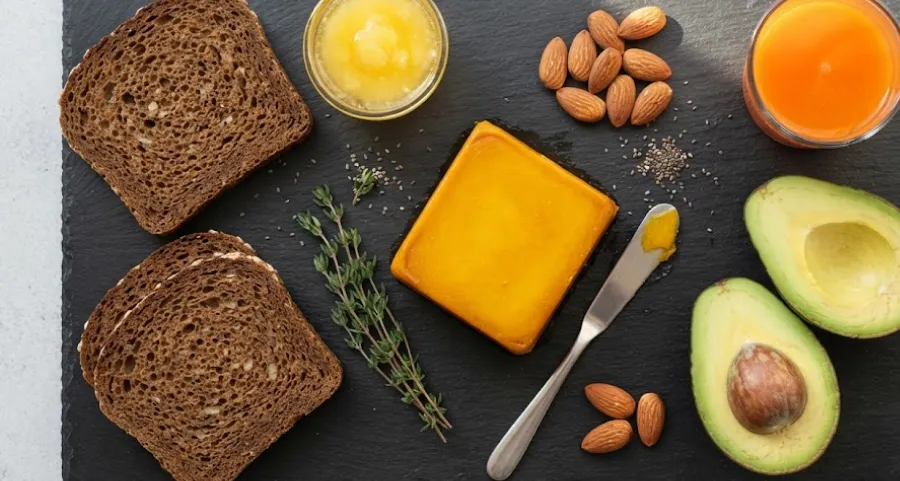
Health Benefits of Eating Butter
Eating a warm piece of bread with fresh animal fat feels great. Hands-on experience at the stove shows proper portioning aids digestion. Claims stating that eating half a block a day is completely harmless do not match reality. Eating more than a thin mindful swipe makes you feel weighed down.
Feeding Good Bacteria
Specific fats inside this product feed the beneficial bacteria in your gut. Dropping a small spoon of fresh fat onto mashed potatoes softens the texture beautifully. It also makes digestion much easier for your stomach. That small amount delivers all the nutrition facts of butter to your body without any need to overeat.
Clarifying for High Heat
A very simple trick exists for high-heat cooking. White foam gathers on the surface when the fat melts in the pan. Skimming that white foam off with a spoon leaves behind a clear golden liquid. This golden liquid will not burn and smoke up your kitchen at high temperatures.
The Art of Browning in a Pan
Cooking requires more than just mixing ingredients. Listening to the pan and watching the colors shift is the real work. Gentle heating creates completely new flavors.
The Scent of Roasted Hazelnuts
Heating the fat gently changes its character completely. The raw smell disappears as the color shifts toward light brown. A scent exactly like roasted hazelnuts fills your kitchen. This brown liquid creates a fantastic flavor over pasta. You must watch the heat closely. The gap between golden brown and burnt is only a few seconds.
Using Brown Butter in Cookie Dough
Adding this brown liquid to cookie dough elevates the taste instantly. The raw dough flavor gives way to something much warmer. The smell fills the entire house during baking and creates a crispier cookie texture.
Quality Signs When Buying and Using
You do not need special equipment to judge quality. You just need to watch a few signs in appearance and texture:
- Clean slicing under a knife at room temperature without splintering edges.
- Melting fast in the mouth with a sweet taste, leaving no waxy layer.
- A bright yellow color in spring and summer from cows grazing on fresh pasture.
Pan Status | Visual Sign | Result on Food |
|---|---|---|
Straight from the fridge | Popping and loud sputtering | Burning before food cooks |
Melted on low heat | Tiny bubbles, sweet smell | Golden edges on food |
Clarified without foam | Bright yellow and silent | Excellent crust on meat |

Texture Differences at Various Cooking Temperatures
Fat behaves differently in cold and heat. Knowing these changes helps you get better results in your cooking. Using the right temperature for each recipe separates an excellent meal from a very average one.
Flaky Pastry with Cold Pieces
Pie crust requires ice-cold pieces. The heat from your hands melts the fat texture very quickly. Cold pieces turn into steam inside the oven and push the dough up into flaky layers. Using room-temperature ingredients makes the dough heavy and tough.
Spreading on Toast
The block you use for toast must sit at room temperature. Dragging cold, hard pieces across soft bread simply tears the slice apart. This ruins the texture of the bread and ruins the joy of eating breakfast.
Selecting Dairy for Your Breakfast Table
You put real effort in at the stove. You adjust the heat and buy good ingredients. If your cooking fat holds too much water, all that work in the pan goes to waste. Finding a block that melts beautifully on hot bread and resists burning in the skillet is a constant struggle for anyone who cooks regularly. Moisture-to-fat ratio determines everything in the kitchen. We at Calin know how frustrating a watery, sputtering pan can be. Our butter is crafted with the proper low-moisture fat content, meaning it melts clean, browns evenly, and gives your food the exact rich flavor you expect without leaving a milky puddle.
Also read: How butter is made