

Blog
Everything About Solubility Index of Milk Powder

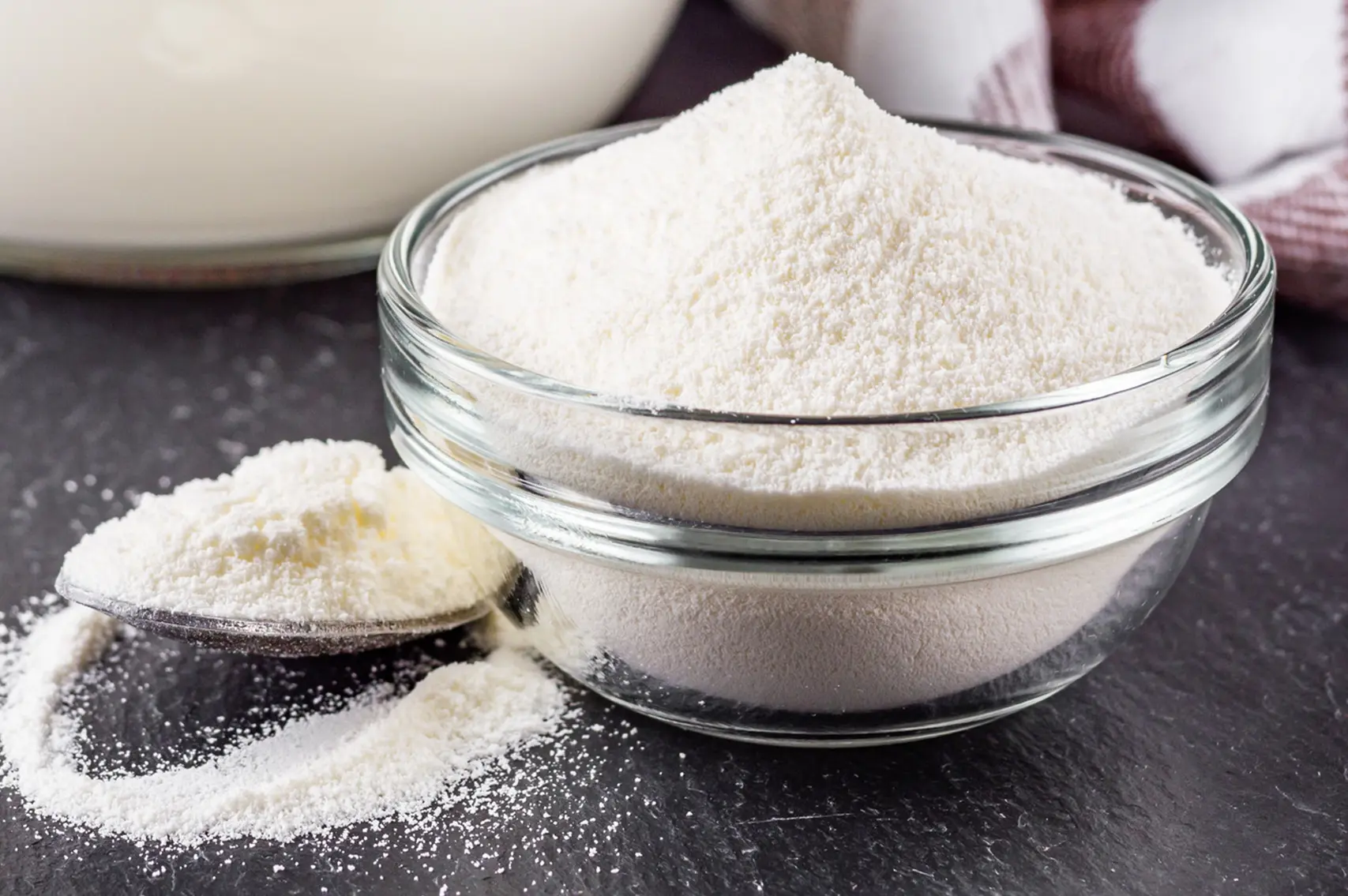
The solubility index of milk powder measures how well it dissolves in water and how much residue remains after mixing. It is a key indicator of quality and performance in dairy products such as infant formula, beverages, and bakery items. Poor solubility can cause sediment, grainy texture, and processing problems, which may lead to consumer dissatisfaction and product rejection. Therefore, understanding and controlling the solubility index is essential for maintaining consistent quality and ensuring efficient industrial.
Importance of Solubility in Dairy Industry
Solubility plays a central role in determining the functional value of milk powder in both industrial and consumer applications. In the dairy industry, milk powder must easily return to liquid form while maintaining its nutritional and structural integrity. This reconstitution ability is directly linked to its solubility index. From a consumer perspective, milk powder that dissolves quickly and completely creates a smooth and uniform beverage without lumps or sediment. This is especially critical in products such as infant formula, where consistency and nutrient distribution must be precise. Any visible sediment or incomplete dissolution can reduce consumer trust and damage brand reputation.
From an industrial viewpoint, solubility affects processing efficiency. In beverage manufacturing lines, undissolved particles can clog filters, interfere with homogenization, and reduce overall productivity. In large-scale recombination plants, efficient dissolution ensures stable production and uniform mixing. The solubility index is also recognized internationally as a standardized quality parameter. Organizations such as the International Organization for Standardization have developed testing frameworks to measure the solubility index under controlled laboratory conditions. These standards allow manufacturers across different countries to compare results consistently and maintain quality benchmarks.
How to Measure Solubility Index? (ISO Method)
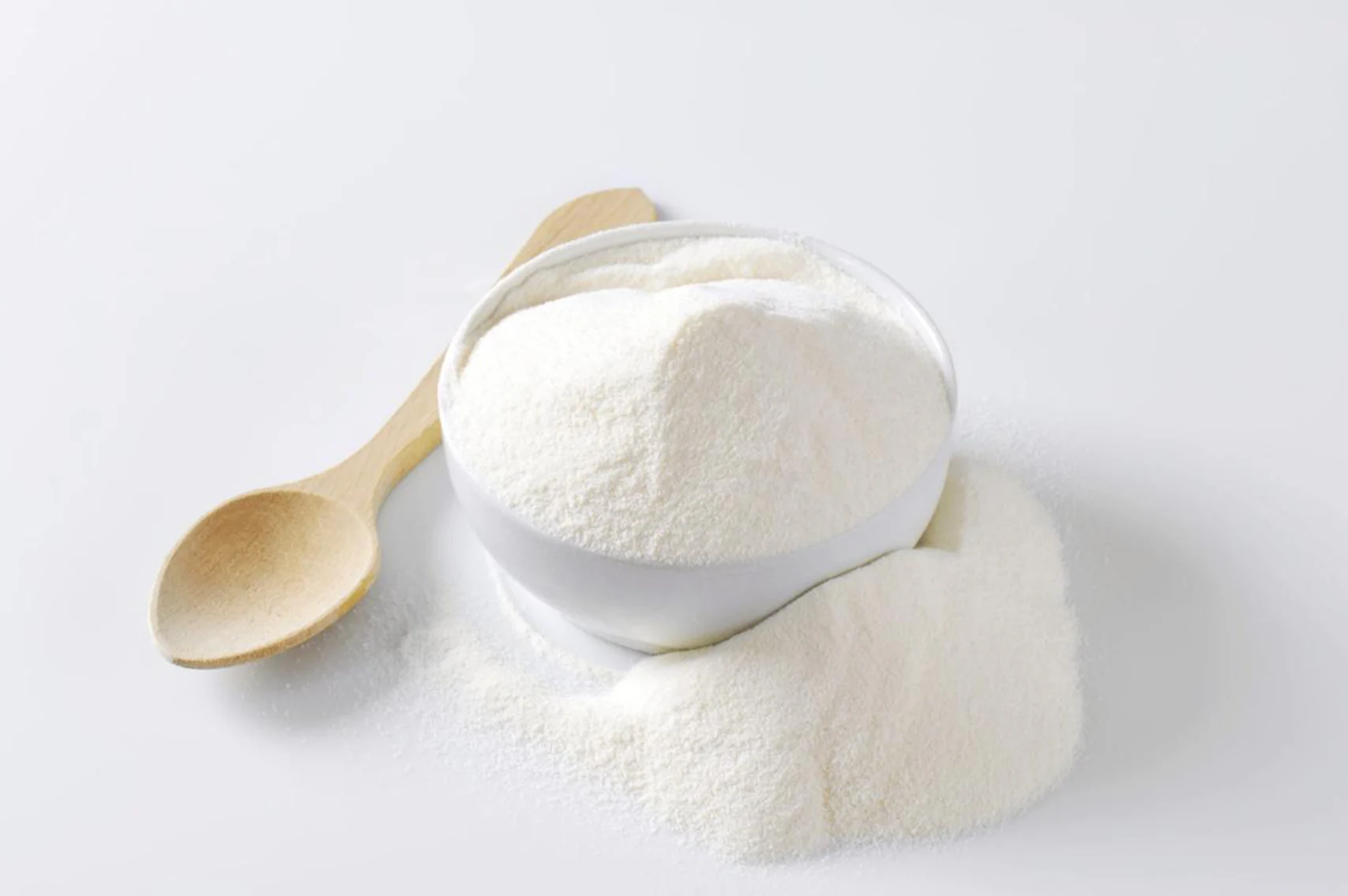
Understanding how to measure solubility index of milk powder is essential for quality control laboratories. The most widely accepted approach follows standardized ISO methods designed specifically for dried milk products.
The measurement process begins with accurately weighing a defined amount of milk powder. The powder is then reconstituted in distilled water under carefully controlled temperature conditions. Proper agitation is essential to ensure that the powder disperses uniformly. Once reconstituted, the solution undergoes centrifugation for a specified time and speed.
After centrifugation, any insoluble material settles at the bottom of the test tube. The volume of this sediment is measured in milliliters. This sediment volume represents the solubility index. A lower sediment volume indicates better solubility, while a higher volume suggests poor dissolution performance. It is important to note that the solubility index does not simply measure how fast milk powder dissolves. Instead, it quantifies the amount of insoluble residue remaining after standardized treatment. Because the test conditions are strictly defined, the results provide a reliable comparison between different batches and product types.
Laboratories use calibrated equipment and follow precise procedural guidelines to ensure repeatability. Even slight deviations in temperature, mixing intensity, or centrifugation speed can affect the final result. For this reason, strict adherence to standardized methods is critical.
Factors Affecting Solubility of Milk Powder
There are several technical and environmental variables that influence the solubility index. Identifying the factors affecting the solubility of milk powder allows manufacturers to optimize their processes and maintain product consistency.
One of the most significant factors is heat treatment during processing. Excessive heat exposure during pasteurization or evaporation can cause protein denaturation. When whey proteins denature, they may interact with casein micelles and form aggregates. These aggregates reduce the ability of the powder to dissolve completely in water. High-heat milk powders typically exhibit a higher solubility index compared to low-heat powders. Drying temperature during spray drying also plays a crucial role. If the outlet temperature is too high, the surface of milk powder particles can become less permeable to water. This surface hardening effect slows down water penetration and reduces dissolution efficiency. Conversely, carefully controlled drying conditions help preserve protein functionality and improve solubility performance.
Particle size distribution and agglomeration significantly affect reconstitution behavior. Very fine powders may trap air and resist wetting when added to water, leading to lump formation. Agglomerated powders, on the other hand, allow better water penetration and faster dispersion. This is why instant milk powders generally show superior solubility characteristics. Storage conditions are another critical factor. Exposure to high humidity can lead to moisture absorption, lactose crystallization, and protein cross-linking. Over time, these changes reduce solubility. Temperature fluctuations during storage may further accelerate structural alterations within the powder matrix.
The composition of the milk itself also influences solubility. Variations in protein concentration, fat content, and mineral balance can affect how the powder behaves during processing and reconstitution. Whole milk powder and skim milk powder may show different solubility characteristics due to differences in fat content and protein interactions.
How to Improve the Solubility Index?
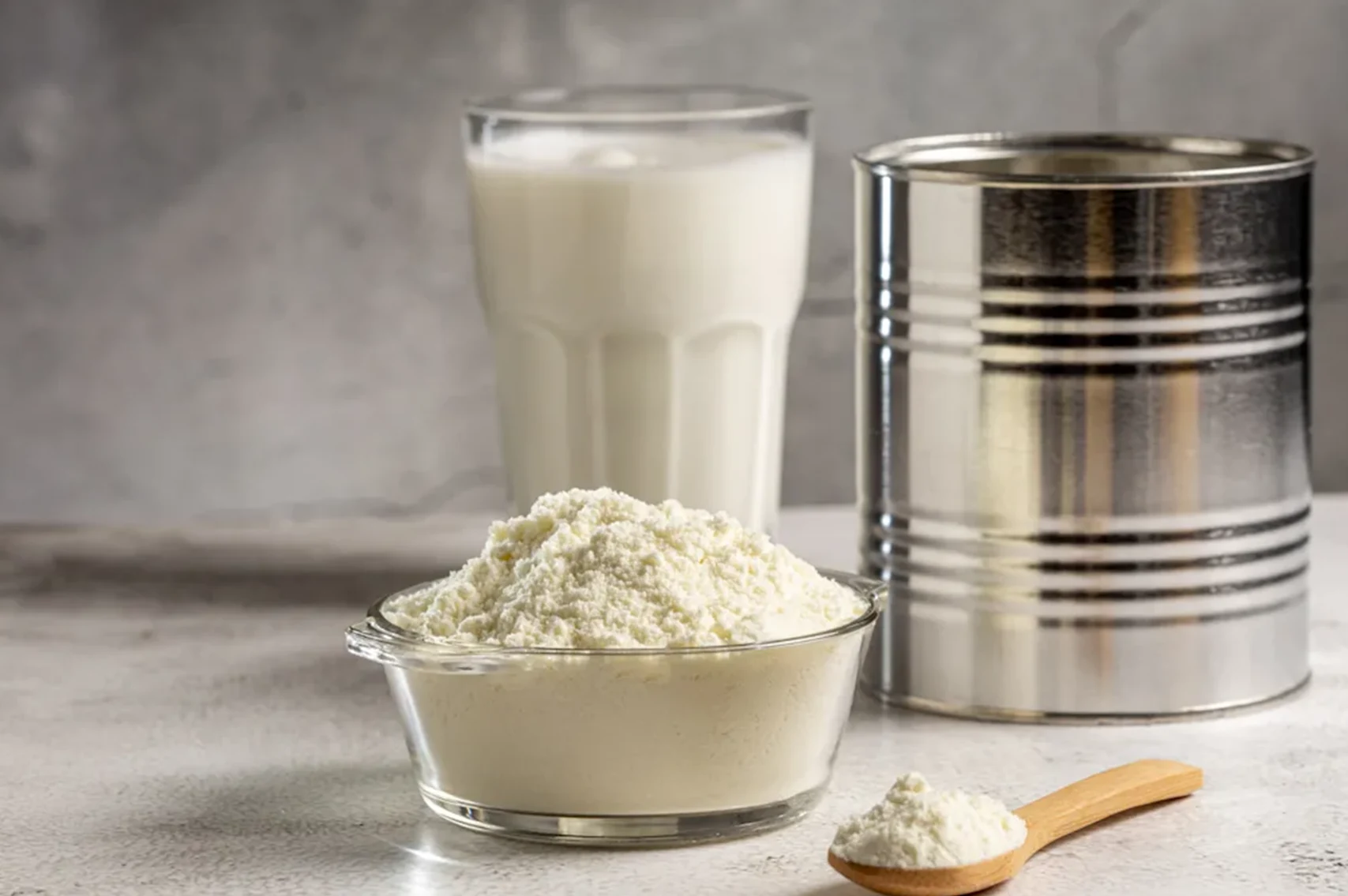
Improving the solubility index requires a comprehensive approach that addresses both processing parameters and post-production handling. One of the most effective strategies is optimizing heat treatment. Avoiding unnecessary high temperatures during pasteurization and evaporation helps preserve protein structure and minimize denaturation.
Careful control of spray drying conditions is equally important. Maintaining balanced inlet and outlet temperatures prevents surface hardening and ensures uniform particle formation. Proper droplet size control during atomization also contributes to consistent drying and improved functional properties.
Agglomeration technology is widely used to enhance solubility. By forming larger, porous particles, agglomeration improves wettability and dispersibility. Water can penetrate the powder more easily, reducing clumping and accelerating dissolution.
Maintaining appropriate storage conditions further protects solubility. Milk powder should be stored in cool, dry environments with moisture-resistant packaging. Limiting exposure to oxygen and humidity helps preserve structural integrity over time.
Continuous quality monitoring is essential. By regularly evaluating milk powder quality parameters, including moisture content, bulk density, and solubility index, manufacturers can detect deviations early and implement corrective actions.
Frequently Asked Questions
Low solubility in milk powder is commonly caused by excessive heat treatment, high spray drying temperatures, protein denaturation, and improper storage conditions. Structural changes in proteins and lactose interactions can lead to increased sediment formation during reconstitution.
Milk powder solubility can be improved by optimizing processing temperatures, implementing agglomeration techniques, preserving protein integrity, and maintaining proper storage conditions. Consistent monitoring of milk powder quality parameters also helps ensure stable solubility performance.
Yes, drying temperature significantly affects the solubility index. High outlet temperatures during spray drying may cause surface hardening and protein denaturation, reducing the powder’s ability to dissolve completely. Proper temperature control is essential to maintain optimal solubility.