

Blog
How to Make Authentic Greek Tzatziki

Step 4: The Required Resting Phase
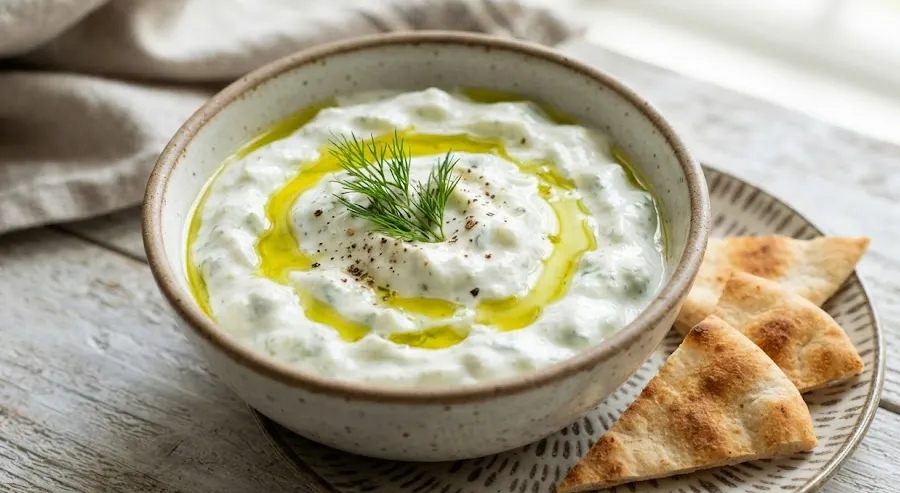
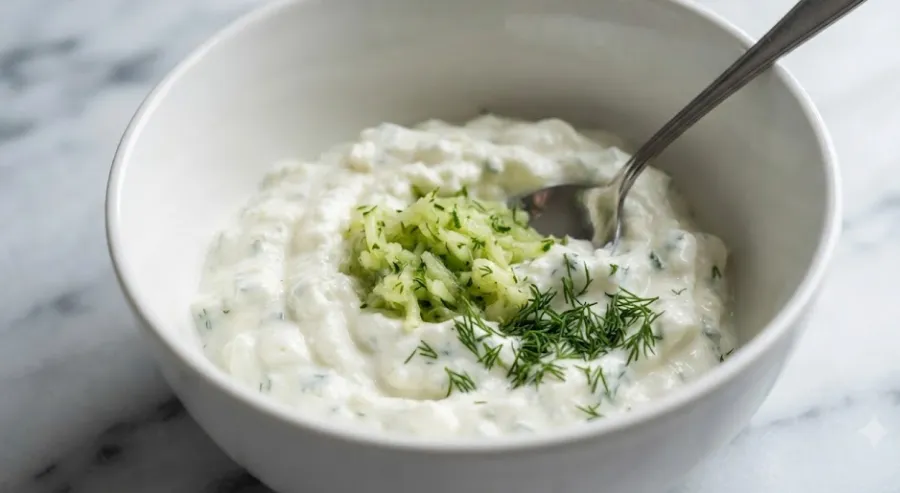
Do not serve the dip immediately. Cover the bowl and put it in the fridge for at least two hours. Raw garlic has a sharp bite at first. The acid from the lemon juice and yogurt needs this time to neutralize that harshness. Opening the fridge and smelling a warm savory aroma instead of a sharp sting means you have executed the best tzatziki recipe correctly.
Step 5: Managing the Olive Oil and Herbs
Many recipes tell you to mix all the olive oil directly into the bowl. The cold temperature mutes the oil's flavor. The better approach is to stir in just a tiny spoonful. Pour the rest over the top right before serving. The olive oil hits your tongue first. Using multiple herbs together creates a confused flavor profile. Pick one. Fresh dill provides a classic cooling effect. Mint makes the dip slightly sweeter.
Last-Minute Taste and Texture Corrections
Sometimes, despite following all the steps, raw ingredients behave differently, and your dip doesn't turn out as you expected. Throwing everything away is not the solution; with a few simple changes, you can restore balance to the dish:
- Excessive Garlic Heat: If the fresh garlic is too spicy and burns your throat, add half a teaspoon more olive oil and a little plain yogurt to the bowl. The extra fat tames the raw garlic's sharpness, creating a milder flavor.
- Too Much Lemon or Yogurt Sourness: When your dairy base is too sour, adding sugar is a huge mistake. Instead, just chop a little more fresh dill and fold it into the mixture. The fresh herbs will restore balance to the acidity and dull the sharp tang.
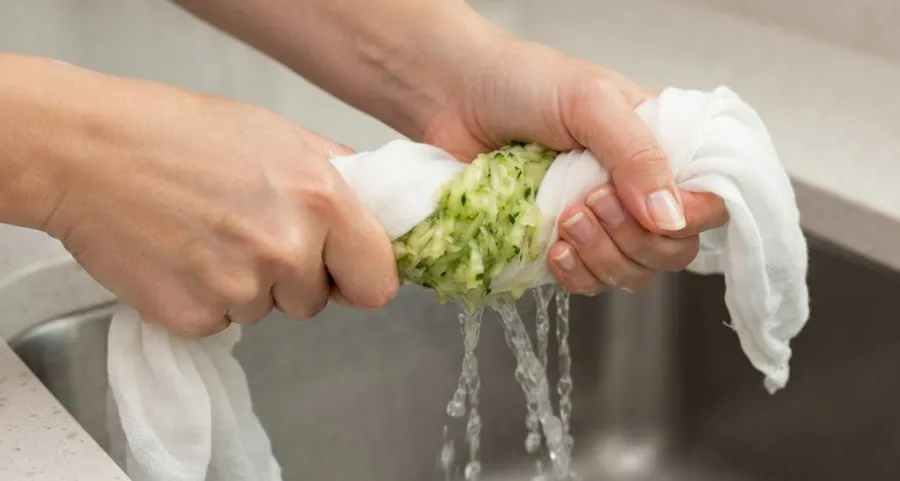
- Sudden Loosening of the Texture: If you forgot to squeeze the cucumber completely dry and your dip gets a little loose, don't stir it at all. Place the bowl uncovered in the fridge for half an hour; the cold will firm up the yogurt's fat content. Adding a small amount of cream cheese can also quickly restore the lost consistency.
How to Serve Tzatziki
This easy tzatziki sauce pairs with almost anything on your table. A drizzle of peppery olive oil on top right before eating releases the aromatics. Serving it alongside warm pita bread, crackers, or fresh carrots creates a healthy snack. It works incredibly well with grilled vegetables on a warm day. Knowing how to make tzatziki helps you upgrade simple meals quickly.
Pairing with Proteins
A spoonful of this dip adds great flavor to grilled meats or chicken skewers. The cool temperature contrasts nicely with hot roasted food. Sandwiches, chicken wraps, and falafel also benefit from the creamy texture.
How to make tzatziki without Greek yogurt?
You might not always have strained yogurt available. Full-fat sour cream works very well in this situation. It has a similar thickness and prevents the dip from turning into a puddle. People following low-carb diets often prefer this substitution. Sour cream has a different acid profile and lacks the specific tang of yogurt. You still end up with a high-quality homemade tzatziki. Mixing sour cream with a small amount of plain yogurt balances the thickness and the flavor.

Prepping Alternative Dairy Bases
If you only have regular plain yogurt, you have to strain it yourself. Place a cloth over a sieve. Pour the yogurt in and leave it in the fridge overnight. The excess water drips out and leaves a firm base. Low-fat yogurts fail completely here. The lack of fat prevents the creamy texture from forming. In guides on how to make tzatziki, we always highlight the fat content because flavors dissolve better in a rich environment.
Raw Quantities and Timings
The exact ratios depend on your taste preferences. The measurements below give you a tested baseline to start with.
Ingredient | Raw Quantity | Prep Time |
|---|---|---|
Lebanese Cucumber | 2 medium | 15 minutes resting with salt |
Full-fat Yogurt | 2 heaping cups | Immediate mixing |
Fresh Garlic | 2 cloves, grated | 2 hours resting in fridge |
Fresh Dill | 2 tablespoons | A few seconds of chopping |
Keeping the Tradition Alive
Creating food from scratch requires patience and an understanding of how raw ingredients behave. A watery dip usually happens when we rush the preparation or use thin dairy products. We have spent years working with dairy profiles and food textures at Calin. We know that skipping the resting phase or ignoring the water content in vegetables always leads to disappointment. Cooking is about respecting the process. Thank you for reading our guide. We hope you take these techniques into your kitchen and enjoy the results with your family.
Also read: Cream Cheese Dip Recipes