Blog
What to Make With Cream Cheese

Press your thumb directly into the plastic wrapper of the block. The surface needs to give way easily under gentle pressure. If it feels greasy or sweaty on the outside, you are going to get stubborn little lumps in your dip that coat the roof of your mouth like wax. Cooking with this ingredient requires understanding how it behaves under a mixer and over a hot stove. Figuring out what to make with cream cheese is much easier once you know how to handle it. Many expensive sauces and beautiful cakes end up ruined just because the block was too cold or beaten too long. You need to learn its physical limits in the pan.
Sweet Recipes You Can Make with Cream Cheese
Turning a plain block of dairy into a dessert requires handling the fat content correctly. Sugar and fat do not always mix easily. You have to guide the ingredients together through temperature and timing. Dropping cold ingredients into a mixing bowl forces you to overmix just to get rid of the lumps. That extra mixing changes how the final dessert feels in your mouth. Getting the prep right sets up everything else you do in the kitchen. Understanding how this ingredient behaves will completely change your approach to sweets:
- For baked batters: Granulated sugar needs time to pull moisture from the dairy. Rushing the mixing leaves undissolved sugar crystals that feel gritty when you bite into the final slice.
- For chilled frostings: Commercial powdered sugar contains cornstarch to prevent clumping in the bag. If the dairy base is too cold, that starch refuses to melt into the mixture and leaves a dry, powdery film on your tongue.
- For doughs and pastries: Solid fats physically coat the flour bits before any liquid hits the bowl. This fat layer stops tough gluten threads from forming and keeps the pastry tender.
- For warm glazes: The natural tartness of the dairy cuts through the heavy, intense sweetness of powdered sugar. This balance stops the topping from tasting flat and sticky on hot baked goods.

Baking without cracks
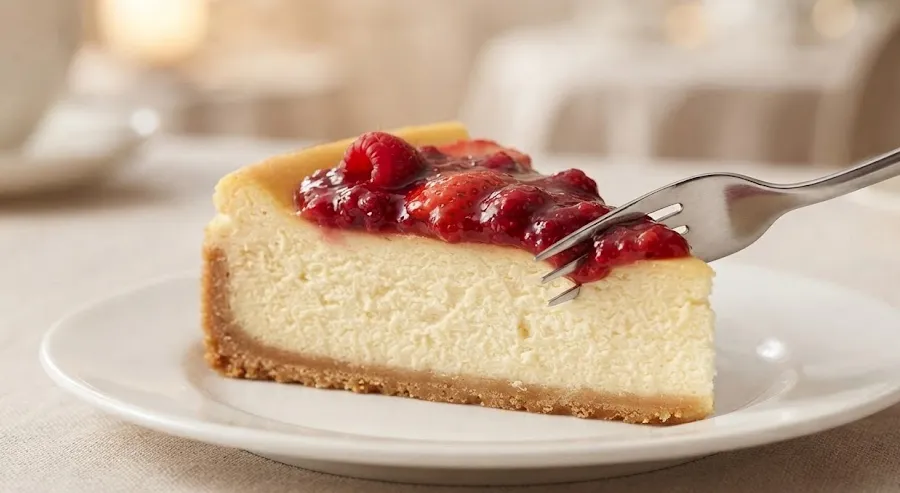
Stop the mixer the exact second the batter looks heavy and smooth. Whipping the batter until it gets light and fluffy traps air. That trapped air expands in the hot oven and tears a massive crack right down the center of your cake. Swapping in low-fat or fat-free versions for baking is a bad idea. You usually end up with a rubbery, watery brick instead of a rich slice.
Frosting and fruit creams
Folding delicate ingredients like fresh raspberries into stiff batter ruins them. You will shred the fruit into a bruised paste instead of keeping distinct chunks. Microwaving a cold block to soften it quickly is a massive gamble. You will accidentally cook the edges and create an oily puddle, leaving a cold hard rock in the center. This completely ruins the texture of your frosting.
Pie and tart crusts
Pie dough sometimes gets incredibly dry and brittle after baking. Adding a spoonful of soft cheese to your base gives it a gentle moisture. You will notice the dough stretches much better under your rolling pin. Make sure your butter and cheese are at the exact same room temperature to prevent the dough from splitting into two separate layers. If you want a crust that flakes beautifully without melting into a greasy mess in the oven, use Calin butter. The high fat content and stable melting point of Calin butter prevents the dough from weeping water when mixed with the cheese, keeping your tart edges perfectly intact when you slice them.

Cinnamon roll topping
Hot cinnamon rolls straight from the oven need a soft topping to lock in the bread's moisture. Smearing softened cheese mixed with powdered sugar over the hot bread allows the cream to seep deep into the layers. The heat of the bread thins it out just enough to leave a bright white gloss on top.
Savory Dishes Using Cream Cheese
Adding this dairy staple to hot food completely changes the thickness and mouthfeel of a daily meal. Most people only think of it as a spread for cold bread. Dropping it into a hot pan transforms thin liquids and loose ingredients into a rich and cohesive dish. It acts as a natural bridge between sharp and heavy flavors. When you incorporate it into savory cooking, you immediately notice a few distinct shifts in how the food behaves on the stove.
Understanding its physical impact helps you know exactly when to reach for a block:
- Mellowing harsh tastes: A spoonful instantly tames the sharp sourness in tomato broths or tones down heavy chili heat. It leaves a rounded and warm feeling on your tongue.
- Creating body without a roux: You get a heavy and coating texture in thin braising liquids without relying on flour or cornstarch. This completely skips that dusty and raw grain taste.
- Binding loose elements: The thick structure grabs onto loose vegetables and grains in baked dishes. It pulls everything together so you can lift a clean portion out of the pan instead of a watery pile
- Carrying toasted spices: The heavy fat locks onto dry seasonings like smoked paprika or crushed peppercorns. It keeps those tastes lingering in your mouth long after the bite is gone.
Knowing how to use these characteristics changes the way you approach everyday cooking.
Hot pasta sauces
Do not drop a cold block directly into a hot pot of sauce. Your sauce will immediately break into ugly little gravel bits that ruin the look of the dish. Pull a ladle of the hot broth into a separate bowl. Whisk the cheese into that hot liquid until it looks like thick lotion. You can then safely stir that smooth mixture back into the main pot for a velvety finish. This trick builds the foundation for many Savory cream cheese recipes.
You can click to learn creamy mac and cheese recipe.
Stuffed chicken and meats
Stuffing chicken breasts or rolled meats covers up any dry texture in the meat. The filling melts slightly in the oven and adds moisture from the inside out. Secure the edges of the meat with toothpicks so the filling stays inside. Keep the block very cold before stuffing so it takes longer to melt under high heat.
Seafood and delicate meats
Adding delicate lump crab meat or shrimp requires a very light hand. Fold these ingredients in at the very end using a silicone spatula. Stirring too hard breaks the meat apart. Fresh chives go in early to spread their flavor. Crispy bacon gets sprinkled on top right at serving time to stay crunchy.
Enriched mashed potatoes
Mashed potatoes get cold and stiff very quickly. Tossing a small chunk of this dairy into hot potatoes changes the texture immediately. The fat coats the potato starches and stops the mash from turning gummy or sticky as it cools down on the table.