Uncategorized

How to Make Gulab Jamun at Home (Step by Step)

How to Make Gulab Jamun

You bite into the dessert expecting a soft texture that melts in your mouth. Instead, your teeth hit a hard, dry, white core that has not absorbed a single drop of syrup. It tastes like raw dough. This is a bitter reality. Many face this exact frustration after spending hours in the kitchen. Making this Indian sweet does not require magic. It requires a solid grasp of how the ingredients behave and heat control. Overwork the dough and you ruin the texture. Let the oil temperature fluctuate, and your effort goes down the drain. This guide breaks down the science of how to make Gulab Jamun so you know exactly why the crust cracks or the syrup fails to penetrate. Following these specific rules makes preparing easy Gulab Jamun at home a predictable and highly controllable process.

  • Lock in moisture with semolina: Soaking semolina in milk before mixing keeps the dough hydrated and stops microscopic cracks from forming on the pastry shell during frying.
  • Control the temperature gap: Waiting 30 to 60 seconds between removing hot dough balls from the oil and dropping them into the syrup prevents a sudden temperature change and peeling outer layers.
  • Adjust syrup acidity: Adding a few drops of lemon juice to hot syrup changes the sugar structure so it will not crystallize inside the porous pastry once it cools.
  • Mix neutral oil and butter: Frying in a blend of neutral oil and a few spoons of butter delivers an authentic dairy flavor without burning the milk solids at high temperatures.

You can order and buy butter from Calin.

Ingredients for Perfect Gulab Jamun

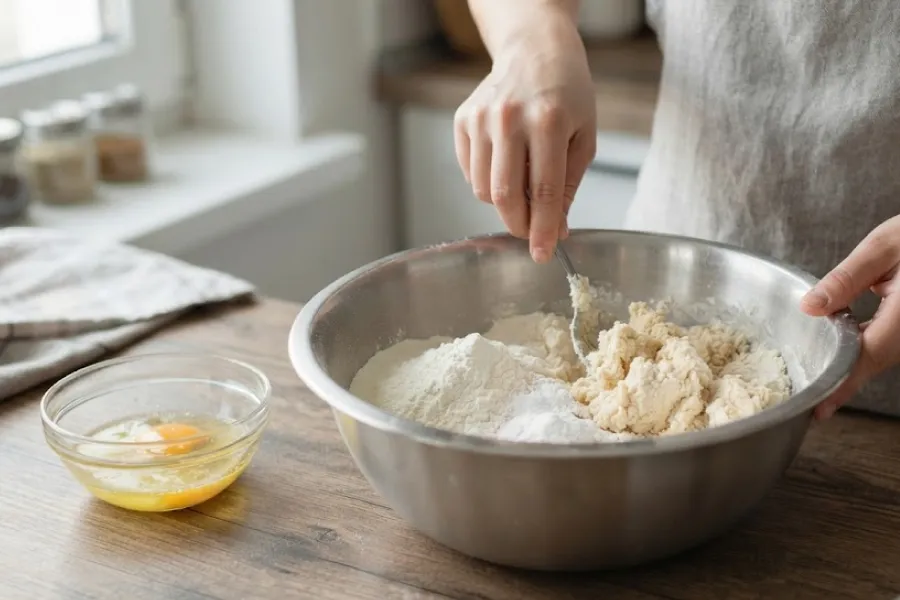
The base materials you choose dictate your final result. Traditional methods rely on khoya, which is milk slowly boiled down to its solids. A high-quality full-fat milk powder serves as a highly effective substitute for homemade Gulab Jamun. The secret lies in managing your moisture-to-fat ratio. Semolina acts as the moisture controller in this environment. Adding coarse, dry semolina directly to the mix causes it to suck moisture away from the milk solids, leaving the center of your dessert completely dry. You must soak it in milk for at least 30 minutes before use.

Choosing the right base prevents these structural failures. For example, Calin industrial dairy powders maintain a highly consistent fat-to-protein ratio that binds smoothly without the need for excessive mixing. This solves the common issue of a crumbly dough that requires heavy kneading to hold together.

Measuring baking powder requires absolute precision. Adding extra leavening to make the sweets fluffier is a major misstep. The dough will either disintegrate violently in the hot oil or develop a harsh, soapy alkaline aftertaste. Understanding your Gulab Jamun ingredients helps you anticipate the final texture before anything hits the stove. As you roll the dough, the warmth of your hands slightly melts the dairy fat. A glossy sheen of fat should coat your palms without the dough sticking to your skin or flaking at the edges. This confirms your mixture is perfectly balanced.

Ingredients for Perfect Gulab Jamun

The Perfect Sugar Syrup Checklist

Perfecting the dough is only the first step. Mastering how to make Gulab Jamun requires an equal focus on the physical state of the sugar syrup. A flawed liquid environment will ruin a perfectly fried pastry. The syrup must act as a carrier for moisture and flavor without acting as a barrier. You need to control three distinct variables during the boiling process to ensure maximum absorption.

  • Invert the sugar structure: Add a few drops of lemon juice or a pinch of cream of tartar just as the sugar completely dissolves in the water. This mild acid prevents the sucrose from locking back up and crystallizing inside the porous dough as the dessert cools.
  • Manage the resting temperature: Keep the syrup hot but strictly below a simmer when you drop the fried sweets into the pot. Plunging the delicate pastry into a rapid boil will quickly peel away the caramelized outer skin right off the dough.
  • Time the aromatics: Stir in the rose water and crushed cardamom only after you turn off the heat entirely. These flavor agents rely on highly volatile compounds that evaporate immediately under direct heat. Boiling them leaves you with plain sugar water.

buy pizza cheese

Testing the Syrup Viscosity

Unlike heavy glazes used on other baked goods, this soaking liquid must remain very thin. A heavy syrup physically cannot pass through the microscopic pores of the fried pastry. Dip a spoon into the hot liquid and let it cool for a moment. Press a drop between your thumb and index finger, then pull them apart. The liquid should feel sticky and slightly oily. It must never stretch into a solid thread between your fingers. If a thread forms, the syrup will sit on the outside of the dough, causing the surface to shrivel while the center remains bone dry. Keep the liquid thin.

Tips for Soft Gulab Jamun

Managing gluten development is your top priority. Kneading the dough aggressively builds a rigid structural wall that actively blocks the syrup from entering the pastry. You end up with a dense, flavorless core that remains rock-hard even after days of soaking. Bring the materials together just enough to form a uniform mass. This is one of the most practical soft Gulab Jamun tips you can apply in your kitchen.

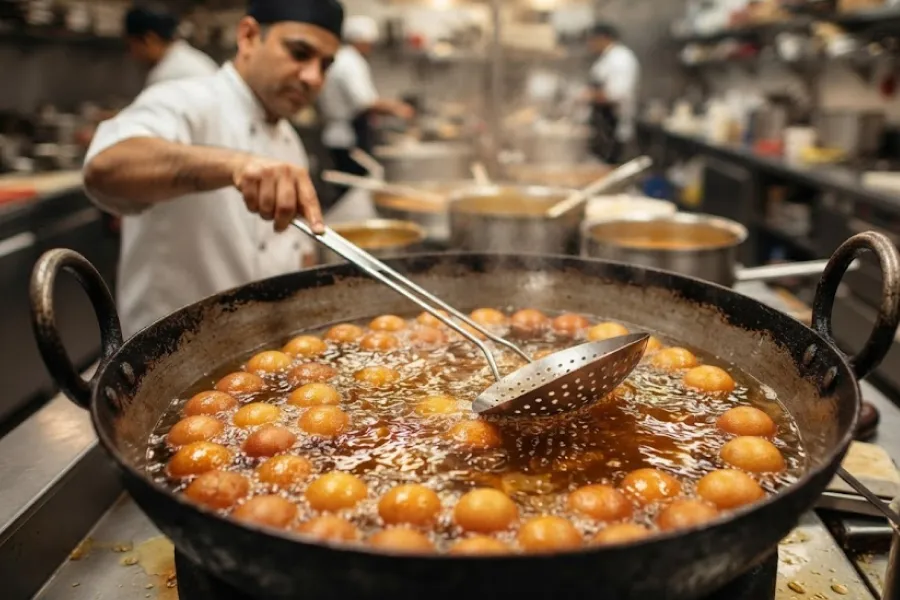
Oil temperature represents the fine line between raw dough and a perfect dessert. Drop a pea-sized piece of dough into the oil to test the heat without a thermometer. It should sink, sit at the bottom for exactly three to four seconds gathering tiny bubbles, and then slowly rise to the surface. Overcrowding your frying pan drops the oil temperature rapidly. When the heat drops, the delicate dough swallows excess fat and turns into a greasy, heavy sinker instead of puffing up like an airy sponge.

Always keep the prepared dough balls covered while you work. Leaving them exposed to the open air creates a microscopic dry skin that will inevitably split open the moment they expand in the fryer. Never poke the fried balls with a toothpick in an attempt to force syrup absorption. A properly mixed dough develops natural internal pores that drink up liquids on their own. Poking artificial holes simply destroys the pastry structure.
Tips for Soft Gulab Jamun

Variations of Gulab Jamun

The core composition remains standard, but cooks prepare several distinct styles. Kala Jamun is a darker variant that stays in the fryer longer until the exterior develops a deeply caramelized, toasted finish. Some budget-friendly approaches replace the dairy entirely with breadcrumbs. The bread version comes together fast, but it completely lacks the rich flavor profile generated by heating real milk proteins.

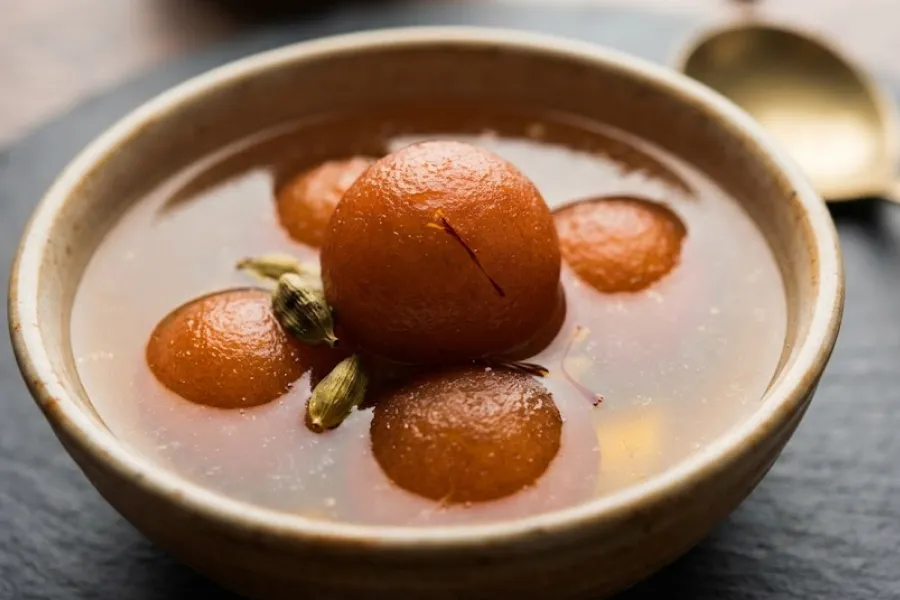
Stuffed variations featuring crushed pistachios and saffron strands have a dedicated following at festive gatherings. Having a reliable best Gulab Jamun recipe as your master template makes navigating these different styles much easier. Once you master the fundamental Gulab Jamun recipe, you can test new shapes and fillings without worrying about the pastry falling apart in the pan.

How to Serve and Store Gulab Jamun

You should serve this dessert warm. Pairing a hot piece with a scoop of cold vanilla ice cream creates an excellent temperature contrast. A correctly soaked piece carries a surprising amount of weight for its size. It breaks apart instantly under the gentle pressure of a spoon with zero elastic resistance.

Keep them fully submerged in their syrup and store them in the refrigerator. The texture and flavor actually improve significantly after resting for 24 hours in a cool environment. Spices like cardamom, saffron, and rose water need time to meld, and the cold resting period gives the pastry a much softer, velvety finish.

Also read: How to Make Quiche Lorraine?

Frequently Asked Questions

How to make Gulab Jamun without khoya?

Full-fat milk powder functions as a direct and accessible replacement. We need to be realistic about this swap, however. Spray-dried milk powder fundamentally lacks the deep, caramelized flavor compounds of authentic khoya that have simmered for hours. You can compensate for this missing depth by adding pure butter or ghee to both the dough mixture and the frying oil. This technique restores the authentic roasted dairy flavor to the pastry and fills your kitchen with a rich aroma.

Can Gulab Jamun be made ahead of time?

Yes, and doing so actually produces superior results. These sweets require a minimum of four hours resting in the warm syrup to reach their proper consistency. Placing them in a sealed container in the refrigerator overnight allows the liquid to penetrate completely to the spongy center. The physical structure stabilizes beautifully during this extended resting period.

Why is my Gulab Jamun tough?

Three specific physical errors cause a tough interior. First, over-kneading activates the gluten network and seals the dough shut. Second, a high frying temperature cooks the outside layer instantly while leaving the inside dense and raw. Third, boiling the syrup too long drastically increases its viscosity. A heavy, thick syrup cannot pass through the tiny pores of the fried dough. The outer layer becomes wrinkled and heavily sweet, while the center stays completely dry. Your soaking liquid must remain thin and fluid to work properly.

Leave a Reply

Your email address will not be published. Required fields are marked *