Blog
Macaroni and Cheese With Gouda Cheese

Do not just watch the clock when you stir flour and butter over the heat. Wait until the mixture gives off the smell of a toasted pie crust and foams up slightly. Ignoring this step leaves your food tasting like raw, dusty flour. Making macaroni and cheese with gouda cheese involves tiny details you only pick up standing over a stove. We have all bought expensive ingredients only to end up with a greasy, grainy mess at the bottom of the pot. Low heat, hand-grating, and a few simple habits keep your food soft and stretchy.
Why Gouda Is Perfect for Mac and Cheese
Cheeses behave differently over heat. Dry blocks drop their oil quickly and refuse to stretch. Gouda holds a lot of moisture, and its mild sweetness balances out the heavy saltiness of the dish. The cheese melts into a soft ribbon when you pull the pot off the burner and stir it in. This specific trait stops your sauce from turning stiff or rubbery. Many of us know the disappointment of eating pasta that turns into a solid brick after cooling down. Gouda actively prevents that brick-like texture.
You can buy gouda cheese with good price from Calin.
The Difference Between Gouda and Dry Cheeses
Aged varieties taste sharp and punchy, but they lack moisture. Relying solely on them means the liquid base cannot hold the fat together. Gouda steps in as a mediator. It offers a gentle nutty flavor and keeps the sauce completely unified. Blending it with a standard béchamel creates a soft coating that clings tightly to the noodles instead of sliding off into the bowl.
Step-by-Step Recipe for Macaroni and Cheese with Gouda
Your ingredients need to sit at room temperature before you begin. Cold butter or freezing milk will ruin the texture instantly.
Ingredient | Amount | Prep State |
|---|---|---|
Short pasta | 1 lb | Dry, unrinsed |
Unsalted butter | 4 tbsp | Room temperature |
All-purpose flour | 1/4 cup | Sifted |
Whole milk | 3 cups | Warmed just until steaming |
Gouda cheese | 10 oz | Hand-shredded |
Aged cheddar | 5 oz | Hand-shredded |
Toasting the Flour and Butter
Melt the butter over very low heat. Add the flour right before the butter changes color. Keep moving it with a whisk. As mentioned earlier, wait for that toasted pie crust aroma. The mixture should turn a very light gold. You have to cook out the raw flour taste without burning it. Scorched flour turns the base brown and bitter, and there is no coming back from that mistake. The most frustrating thing at the stove is having your butter split and burn before the flour even cooks. We at Calin produce butter with a highly stable moisture-to-fat ratio. This stability means the butter melts evenly over low heat, giving you a smooth, unbroken foundation for your roux.
Prepping the Pasta for the Sauce
Drop the noodles into a pot of boiling salted water. Ignore the time printed on the box and test a piece with your teeth. It needs to fight back slightly and show a tiny, chalky white ring right in the center. Those noodles will finish cooking inside the hot liquid and soak up all that moisture. Rinsing the cooked batch under cold water is a massive mistake. That water washes away the sticky surface starch that forces the coating to hug the noodles. Drain the pot and set it aside.

Building the Cheese Sauce Base
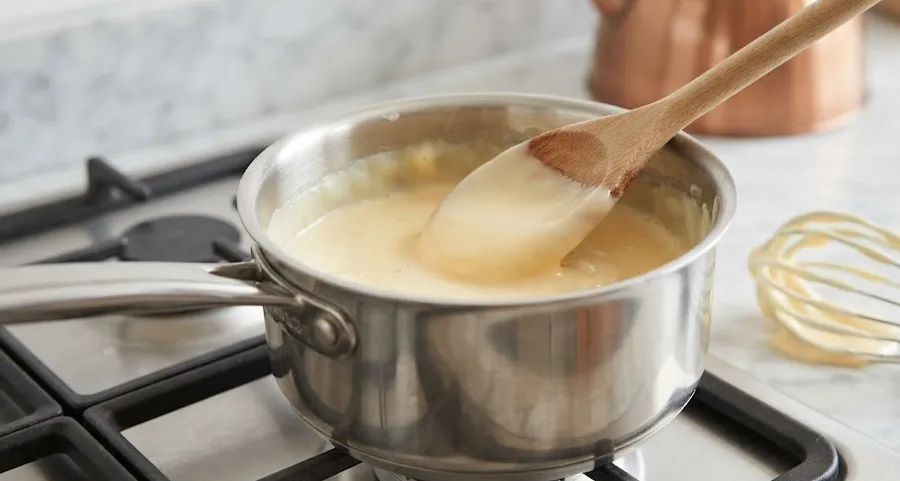
A thick, structured base is the absolute requirement for any Gouda mac and cheese recipe. Your milk must be warm, but never boiling. It is ready the moment you see light steam rising from the edges. Boiling milk will shock the flour and create hard dumplings. Pour the warm milk slowly into the toasted flour mixture. If you opt for evaporated milk, you will notice the liquid clinging to the back of a wooden spoon like thick wet paint instead of dripping off. Lift the whisk from the pot. The drips should leave a brief, visible trail on the surface rather than vanishing instantly.
The Right Time to Add the Cheese
Move the pot completely off the burner. Drop the shreds in handful by handful. Watch the first handful melt completely before adding the next batch. Dumping it all in at once drops the temperature aggressively and leaves you with stubborn clumps. Leaving the pot on the hot stove squeezes the fat right out of the dairy. A yellow oil slick will pool on top, hiding rubbery lumps underneath.
Tips for the Creamiest Mac and Cheese
People ruin a beautiful macaroni and cheese with gouda cheese by falling into a few completely avoidable traps. A rich, silky sauce does not come from throwing expensive dairy into a pot and hoping for the best. It comes from understanding how fat behaves under pressure. Here are the hard rules we follow at the stove to keep the texture flawlessly smooth:
- Grate Everything by Hand: Pre-bagged shreds sit in a coating of anti-caking dust so they do not stick together on the grocery shelf. That exact same powder feels like wet sand in your mouth and violently fights the melting process. Grab a simple box grater and spend the extra five minutes doing it yourself.
- Step Away from the Heavy Cream: Pouring straight heavy cream into the pot sounds like a luxury upgrade, but it instantly backfires. The meal becomes so suffocating and aggressively greasy that you feel sick after just three bites. Stick to whole milk to let the cheese do the heavy lifting.
- Respect the Cheese Limit: A liquid base can only absorb a specific amount of solid dairy before it surrenders. Forcing an extra mountain of Gouda into the pot pushes the fat entirely out of the mixture. The second that overloaded pasta cools down on the plate, it turns into a dense, oily brick.
- Kill the Heat Completely: Dropping cold shreds into a boiling hot liquid shocks the dairy and forces the oil to detach from the solids. Pull your pot completely off the burner and let the metal cool for a minute before folding in your handfuls.
Gouda mac and cheese without oven
We all have days where turning on the oven feels like too much work. You just need to boil the noodles slightly longer for the stovetop method. They will not have oven time to soften further. Prepare the liquid base and dump the hot noodles straight in. Fold everything together gently and keep it on the warm stove so the pasta absorbs the flavors. Top the bowls with crispy bacon bits or fried onions.
Adjusting Thickness on the Stove
The coating tightens up very fast with the Gouda mac and cheese without oven method. Always reserve half a cup of the warm pasta water. Pour a splash of that starchy water into the pot if things look too stiff. Stir it around until the consistency loosens up and gets creamy again. Keep the burner completely off during this mixing phase so the fat does not separate.
Baked macaroni and cheese with gouda
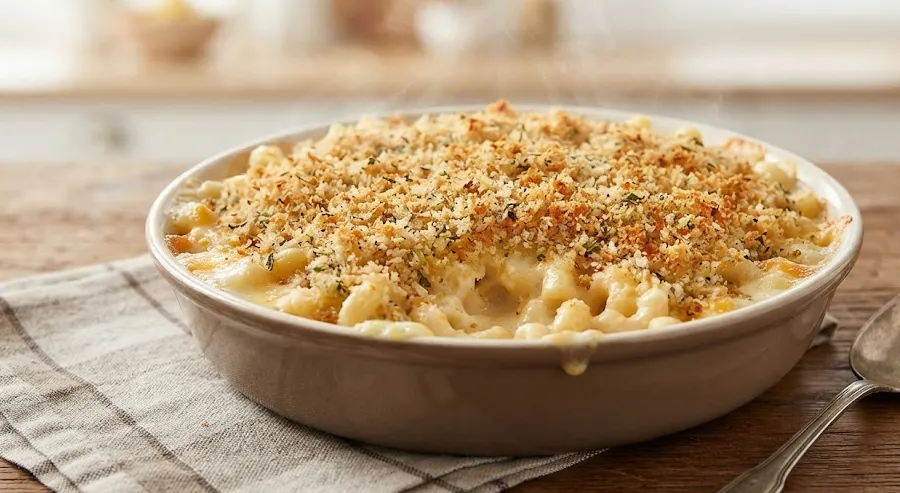
Baking brings its own set of rules. Pour the coated noodles into a wide, shallow dish. Deep, narrow pans are the worst choice. They steal away the crusty, buttery top layer that everyone fights over. Cover the surface with panko breadcrumbs and a drizzle of melted butter. Panko adds a serious crunch to the final plate.

Signs Your Dish Is Ready
Do not trust the oven timer. Every oven runs differently. Your Baked macaroni and cheese with gouda is done when the edges bubble aggressively. Tap the breadcrumbs with the back of a spoon. You should hear a sound exactly like stepping on dry autumn leaves. That sound guarantees a crispy top layer that crunches perfectly against your teeth.
Storing and Reheating Your Pasta
Cheesy pasta usually turns hard in the fridge and loses its original appeal. A few specific steps keep it tasting fresh the next day. Your leftovers do not have to turn into a rubbery brick.
Preventing Dryness in the Fridge
Transfer the food to a container with a tight lid only after it cools down completely. Putting warm macaroni and cheese with gouda cheese in the fridge traps steam inside the container. That trapped moisture makes the noodles soggy and ruins the flavor by the next morning. Press a piece of plastic wrap directly onto the surface of the food to block the air and stop the top from drying out.
The Right Way to Reheat
Microwaving this food without adding moisture is a guaranteed mistake. The fat will immediately separate into a puddle of grease. Pour two tablespoons of warm milk over the noodles first. Heat the container over a very low flame on the stove or put it back in the oven. The milk loosens the structure and brings back the stretchy, unbroken texture from the day before.