

Blog
How to Make Lobster: A Complete Guide

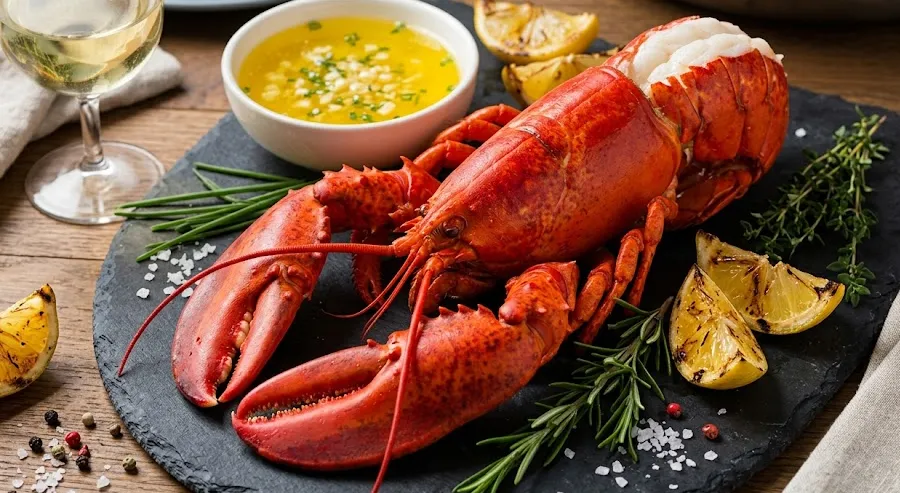
Preparing seafood at home intimidates many people. You buy an expensive crustacean and immediately worry about ruining the meat. A truly fresh live lobster will aggressively flap its tail and raise its claws when picked up. Sluggish ones usually yield mushy results. We have overcooked this seafood enough times in our kitchen to know exactly what goes wrong. Your boiling pot must taste exactly like ocean water. Otherwise, you actively pull the natural flavor right out of the shell. You just need to understand how the meat reacts to heat. Mastering how to make lobster depends on temperature control.
What Is Lobster and Why Is It Popular?
This seafood offers a dense texture and a distinct sweet taste. The difference between this and regular fish makes it a staple in high-end dining. Cooking it yourself saves a lot of money. The knuckle meat is actually the sweetest and most tender part of the animal. Many people ignore these joints and go straight for the tail. Throwing away the knuckles is a huge mistake.
Claw vs. Tail Texture
The tail meat is firm and tightly packed. This density makes it ideal for the grill. Claw meat is much softer and melts in your mouth faster. These different textures require slightly different attention during cooking.
Signs of a Fresh Catch
Great meals start with great ingredients. Lobsters that recently molted have less meat and trap excess water inside their shells. The shell should feel hard when you press it. The raw color is usually dark green or brownish-black.
Pre-Cook Storage
Keeping them in fresh tap water kills them quickly. Wrap them in damp newspaper and place them in the coldest part of your fridge. Cooking them soon after purchase guarantees better texture.
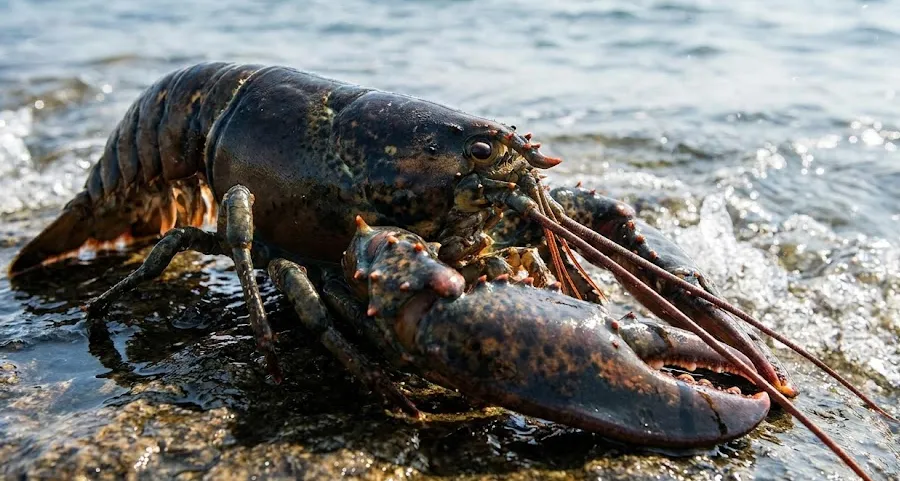
Ingredients Needed to Make Lobster
You do not need many items to get started. The core flavor should remain untouched. Crowding the pot with heavy spices masks the ocean aroma. Simple preparation works best.
- Live fresh lobster
- Large pot of water
- Sea salt for ocean brine
- High-quality animal butter for serving
- Fresh lemon wedges for acidity
Replicating Ocean Water
Using iodized table salt gives the water a metallic taste. Coarse sea salt works best. The water needs to be heavily salted. This high salinity helps lock moisture inside the meat.
Essential Kitchen Tools
- Large stockpot with a tight-fitting lid
- Long-handled tongs for safe handling
- Kitchen shears for cutting the shell
- Meat thermometer for temperature control
Mild Seasonings
Stick to freshly ground black pepper for a classic taste. A tiny pinch of paprika adds great color to the butter sauce but will not overpower the main dish.
How to Make Lobster (Step-by-Step)
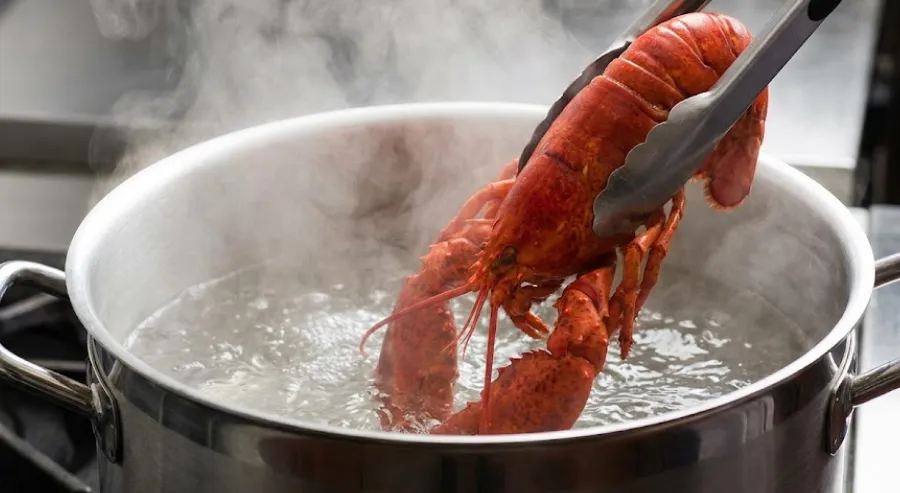
The process of cooking lobster at home follows a few clear steps. Bring a large pot of water to a rolling boil over high heat. Add the salt. Drop the lobsters in head-first. This speeds up the cooking process. Using a thermometer to verify doneness is the safest method. The internal temperature of the thickest part should hit 135 to 140 degrees Fahrenheit. Relying on a red shell alone is a trap. The meat connecting the tail to the body must change from translucent to matte white. White meat. Firm texture. That indicates fully cooked food. The whistling sound you hear during boiling is just trapped air escaping the shell, not the animal making noise.
Testing the Meat
Pulling gently on one of the small antennas is a reliable test. The food is ready if the antenna pops out with zero resistance. Moving them to an ice bath immediately after taking them out of the hot water is mandatory.
The Ice Bath Method
The meat continues cooking even after leaving the boiling pot. Submerging them in a bowl of ice water stops this process instantly. That tender bite depends entirely on this step.
Cutting the Tail Shell
Take your kitchen shears and cut straight down the middle of the hard top shell. Pull the meat up gently so it rests on top of the shell. This creates a beautiful presentation. Practicing these details makes learning how to cook lobster much easier.
How to Grill Lobster
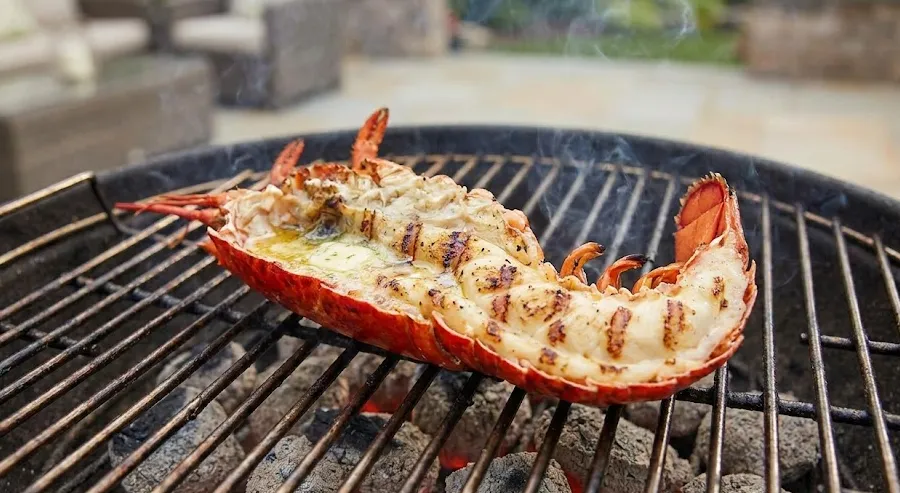
To master how to grill lobster, start by dropping them in boiling water for exactly two minutes. This quick thermal shock stops the meat from sticking to the shell. Cut them in half lengthwise next. Grilling them directly raw almost guarantees the meat will stick and tear.
Steps for the hot grate:
- Set your grill to medium-high heat and let the grates get very hot.
- Brush the exposed meat generously with melted butter.
- Place the meat side down first to get nice grill marks.
- Flip them over to finish cooking inside the shell.
Charcoal and Grate Setup
Your coals need a thin coating of white ash. Direct, aggressive flames will burn the shell and leave a bitter taste. Even heat distribution matters immensely.
Keeping the Meat Moist
The shell acts as a heat shield. Squeezing some fresh lemon juice over the meat during the last minute of cooking replaces lost moisture.
Grilling Timeline
Cooking over fire takes less time than boiling. Keep a close eye on the grate. The meat loses its ideal texture in under eight minutes.
How to Steam Lobster
Steaming protects the texture perfectly. The meat absorbs very little water and keeps its natural flavor intact. Pour two inches of heavily salted water into the bottom of your pot. Bring it to a heavy boil. Add the seafood and secure the lid tightly. The first two pieces need about ten minutes. Add three minutes for every extra piece. A properly cooked shell feels slightly brittle and snaps easily. An undercooked shell bends and resists cracking. Many chefs consider steaming the best way to cook lobster indoors.
Managing Water Levels
The water must not touch the actual food. The pot needs to be filled entirely with dense steam. Do not remove the lid during the cooking process.
Using a Steamer Basket
Placing a metal basket at the bottom creates a safe gap above the boiling water. This tool prevents the bottom shells from scorching.
Quick Boiling Alternative
Understanding how to boil lobster is useful for fast preparation. Get heavily salted water boiling rapidly. Drop the catch in. Move them straight to an ice bath once the timer stops. Leaving hot meat on the counter ruins the texture.
Also read: how to cook a ham
Lobster Cooking Time Chart
Following a strict lobster cooking time prevents rubbery meat. The table below provides guidelines based on weight. These times are estimates, so always verify the internal temperature first.
Weight of Catch | Boiling in Salt Water | Dense Steaming |
|---|---|---|
1 pound whole | 8 to 9 minutes | 10 to 11 minutes |
1.25 pounds | 10 to 11 minutes | Exactly 12 minutes |
1.5 pounds | Exactly 12 minutes | 14 to 15 minutes |
2 pounds heavy | Exactly 15 minutes | 18 to 20 minutes |
High Altitude Adjustments
Water boils at a lower temperature if you live in the mountains. You must increase your cooking times slightly under these conditions.
Male vs. Female Timing
Female catches sometimes have denser tail sections. This difference is minor, but checking with a thermometer prevents a raw center.
Common Mistakes When Cooking Lobster
Several frequent errors can ruin the final result.
- Rinsing cooked meat under the tap: Washing the meat to remove the green tomalley instantly destroys the sweet, briny flavor. Wiping it gently with a dry paper towel works much better.
- Boiling frozen tails: The exposed meat acts like a sponge and falls apart in boiling water. Dry heat methods like baking work best for tails.
- Leaving rubber bands on the claws: Snipping the bands off right before dropping them into the water is the smartest move. Boiling plastic alters the taste of the water.
Thawing Errors
Placing frozen catch in warm water turns the texture spongy. You must thaw them slowly in the refrigerator.
Removing Meat Too Early
The shell transfers massive amounts of flavor during the cooking process. Pulling raw meat out of the shell to cook it alone weakens the final taste.
Room Temperature Resting
Leaving cooked food on the counter is a huge flaw. The trapped heat continues to cook the meat until it turns tough.
Serving Ideas for Lobster
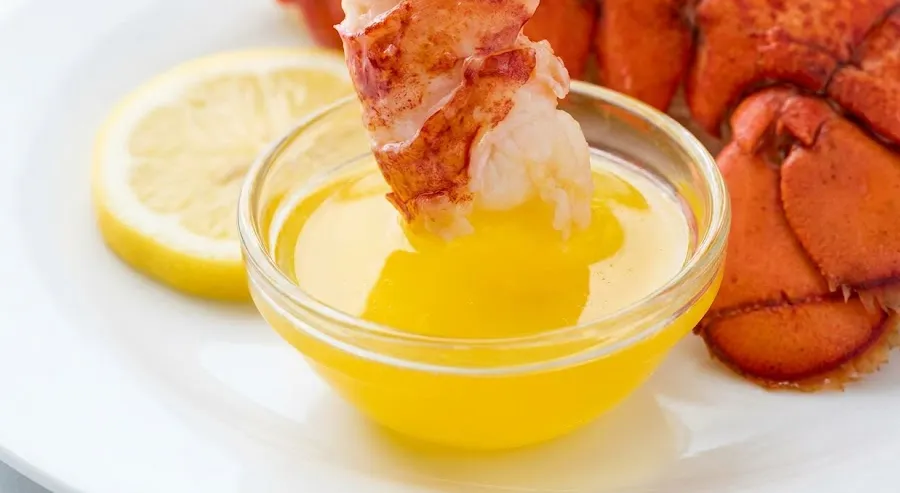
A classic lobster recipe usually features very simple sauces. Serving lobster with butter remains the most popular choice. Clarified butter is the absolute best option here. Standard butter contains milk solids that make the meat soggy. A few drops of fresh lemon balance out the ocean flavor. Serving this alongside grilled vegetables creates a complete experience.
Making Clarified Butter at Home
Melt the butter over low heat. Skim off the foam that rises to the top. Pour off the yellow liquid and leave the white milk solids behind. That pure yellow fat carries incredible aroma.
Table Tools
Small two-pronged forks are essential for pulling meat out of the knuckles. Proper shell crackers make the meal much easier for your guests.
Side Dishes
Grilled corn and roasted potatoes are traditional restaurant pairings. The starchy taste of these sides matches the sweet ocean meat perfectly.
A Perfect Finish with Pure Dairy
Many people spend time cooking their seafood perfectly, only to ruin it at the dinner table. Using cheap, industrial butter with high water content turns that tender meat into a wet, flavorless sponge. Making a proper clarified butter dip requires a product with a pure milk base and natural fat content. Pairing seafood with fresh dairy creates the difference between an average meal and a premium dinner. Seeking out butter with a high fat percentage and authentic taste is the best choice for your sauce. Using high-quality dairy preserves the core flavor and elevates the texture of the meat. We appreciate you reading along and hope you enjoy a fantastic cooking experience.
Also read: How to Cook Fresh Asparagus
Frequently Asked Questions
Timing depends heavily on the weight and your chosen method. A one-pound piece needs about eight to ten minutes. Using a meat thermometer to confirm 140 degrees Fahrenheit is the smartest approach.
Both methods yield great food. Boiling cooks the meat evenly and quickly. Grilling adds a great smoky flavor but requires more attention to prevent drying.
Yes, you just need to thaw it slowly in the refrigerator first. Cooking it straight from the freezer overcooks the outside while leaving the center raw.
A microwave will ruin the texture completely. Place a suitable skillet over low heat and warm the stalks gently with a tiny drop of olive oil. This preserves as much of the original crispness as possible.