

Blog
How to Cook Fresh Asparagus Perfectly Every Time

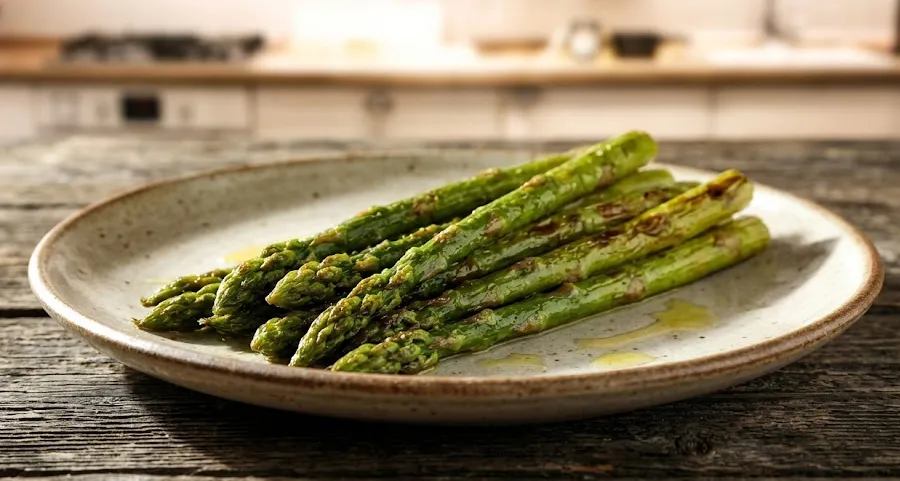
You buy a bunch of asparagus, put it in the crisper drawer, and find it totally wilted two days later. Buying and cooking this vegetable requires a few specific habits that professional cooks rarely talk about. Many people assume pencil-thin stalks have the softest texture. That is actually false because stalk thickness depends entirely on the plant's genetics. Thick spears hold up better to high heat and make an excellent choice for roasting. Proper preparation starts the second you bring them home from the store. Leaving them loose in a dry fridge drawer destroys their crispness fast. Treat them exactly like a bouquet of cut flowers by standing the ends in a jar of water.
How to Choose Fresh Asparagus
Great cooking techniques cannot fix dehydrated vegetables. A perfect plate actually starts right in the produce aisle. Keep reading as we explain how to properly inspect the tips, navigate the thickness myth, and keep your stalks completely crisp in the fridge before you even turn on the stove.
Inspecting the Tips
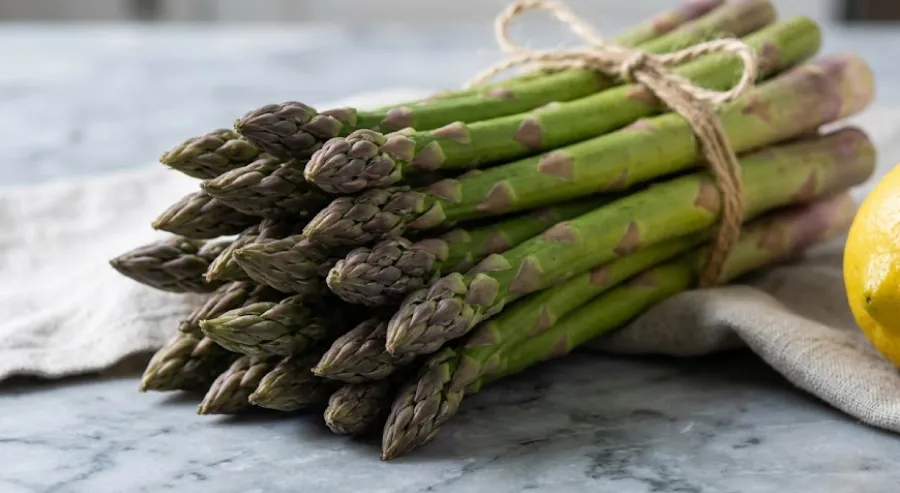
Checking raw asparagus begins at the very top. The tips must be tightly closed, compact, and completely dry. Leave the bunch at the store if you notice any slimy moisture or splayed tops. A bright, translucent green color indicates a healthy internal structure. The exterior should show zero signs of wrinkling. Wrinkled skin means the plant is dehydrated and will turn mushy in the pan. A healthy stalk stays completely straight and firm when you hold it upright.
The Thickness Myth
Shoppers often dig through bins to find the skinniest stalks and ignore the thick ones. Thick spears have a stronger structure and respond beautifully to the intense heat of an oven. The inside of a thick stalk is highly juicy and retains its shape under high temperatures. Thin spears are much better suited for quick pan-frying or eating raw in salads. Match the thickness of the stalk to your planned cooking method.
Keeping Stalks Crisp in the Fridge
Tossing loose spears into a produce drawer kills their moisture in under twenty-four hours. Fresh asparagus behaves exactly like cut flowers. Trim about half an inch off the bottoms. Place the bundle upright in a glass jar with an inch of water at the base. Cover the tops loosely with a clean plastic bag. This setup extends their shelf life up to a week and keeps the texture perfectly crisp for cooking.
How to Prepare Fresh Asparagus for Cooking
Getting your asparagus ready for the pan requires more than a quick rinse under the tap. How you handle the stalks right before cooking determines their final texture. A lot of home cooks ruin their dish at this stage by holding onto outdated kitchen habits, like snapping the ends blindly or trying to peel delicate skins. To preserve the flavor and get the highest yield from your bunch, you need to master three basic prep habits:
- The Importance of a Dry Surface
- Cutting Instead of Snapping
- Why Peeling is a Mistake
Let’s walk through these steps to ensure your stalks are fully ready for the heat.
The Importance of a Dry Surface
Rinsing the spears under cold water washes away dirt and sand. Drying them thoroughly with a paper towel is an even more important step. Any water left on the surface causes the vegetable to steam instead of roast. Dry vegetables are an absolute requirement for getting crispy, caramelized edges. Water trapped inside the delicate tips will ruin the roasting process entirely.
Cutting Instead of Snapping
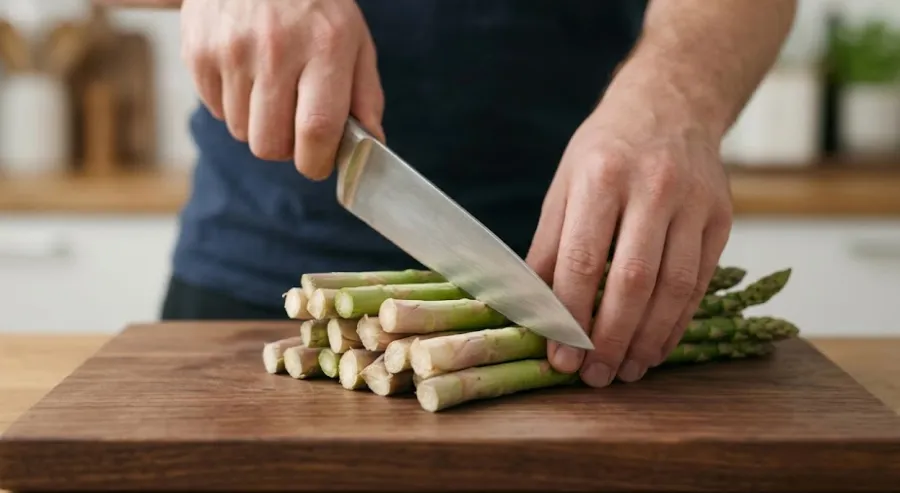
A common rule suggests bending the stalk until it snaps exactly between the tender and woody parts. That technique usually forces you to throw away a lot of edible food. Look closely at the color shift instead of breaking the spear. The exact border of the woody texture is where the pale white bottom turns into a bright green. Cut right at that color line with a sharp knife to minimize waste. This easy technique significantly increases the amount of food on your plate.
Why Peeling is a Mistake
Trying to peel thin asparagus ruins the vegetable. The peeler destroys the structural integrity of the spear and leaves you with a plate of mush after cooking. The outer skin holds the actual flavor of the plant. You only need to lightly shave the very bottom sections with a sharp peeler if you are dealing with extremely thick stalks.
Tips for Perfectly Cooked Fresh Asparagus
Nailing the perfect texture requires paying attention to a few small details while your food is actually on the heat. Even with flawless prep work, a few seconds of extra time or a crowded baking sheet will soften the stalks entirely. Keep these practical habits in mind as you cook.
Stopping the Cooking Process
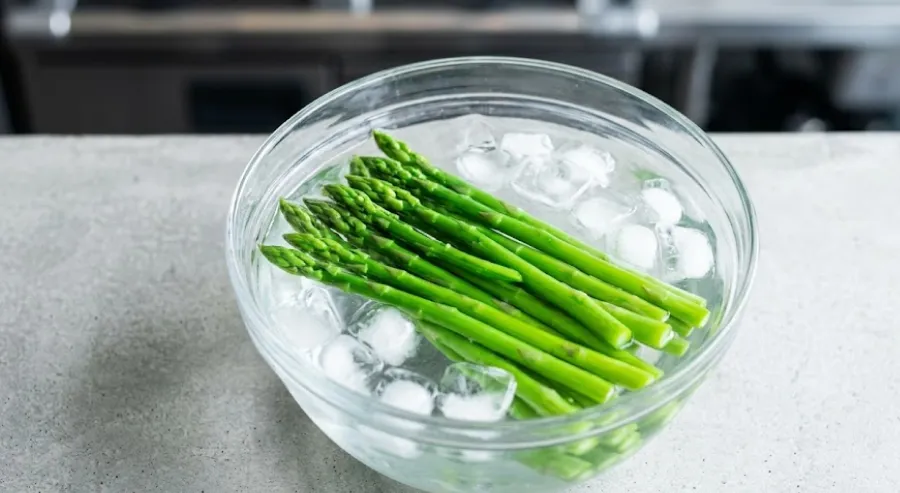
Setting up an ice bath is mandatory for steaming. Drop the hot spears directly into a bowl of ice water the second they finish cooking. The freezing water halts the cooking process instantly and locks in that bright, restaurant-quality green color. Skipping this step allows the residual heat to keep softening the vegetable until it turns a muddy olive color. Dark olive green indicates severe overcooking.
Also read: Easy Omelette Recipe
Proper Pan Placement
Piling too many spears onto a baking sheet is a frequent cooking error. Overlapping stalks trap the moisture escaping from the plant. Your food ends up boiling in its own juices. Always spread the stalks in a single, flat layer so the hot air can reach every surface. Open air circulation creates those delicious roasted edges.
When to Add Acid
Squeezing lemon juice over the stalks before they go into the oven turns their bright green exterior into a dull brown. The acid reacts directly with the plant's chlorophyll. You should only pour acidic dressings over the food after you take it off the heat. Coarse sea salt and cracked black pepper applied before cooking build the necessary base flavor.
The Bend Test
Pick up a cooked stalk from the middle with a pair of tongs. It should droop slightly. It must never sag completely like a piece of boiled pasta. Retaining some of the initial snap proves the internal structure survived the heat. The core stays hot and continues cooking even after you turn off the stove. You need to remove the food from the heat just before it reaches your ideal softness.
Cooking Time for Fresh Asparagus
Getting the timing right is the difference between a crisp bite and a mushy side dish. The clock changes completely depending on your chosen heat source. We broke down the exact minutes you need across these four areas:
- Oven Roasting Times
- Skillet Sautéing
- Steaming Guidelines
- Choosing the Right Method
Oven Roasting Times
Figuring out How long to cook asparagus in the oven depends on the diameter of the stalks. Roasting at 400 to 425 degrees Fahrenheit takes roughly 12 to 15 minutes. Very thick spears might need up to 18 minutes. Coat the baking sheet with olive oil to help the edges caramelize properly. High oven temperatures blister the outside very quickly.
Skillet Sautéing
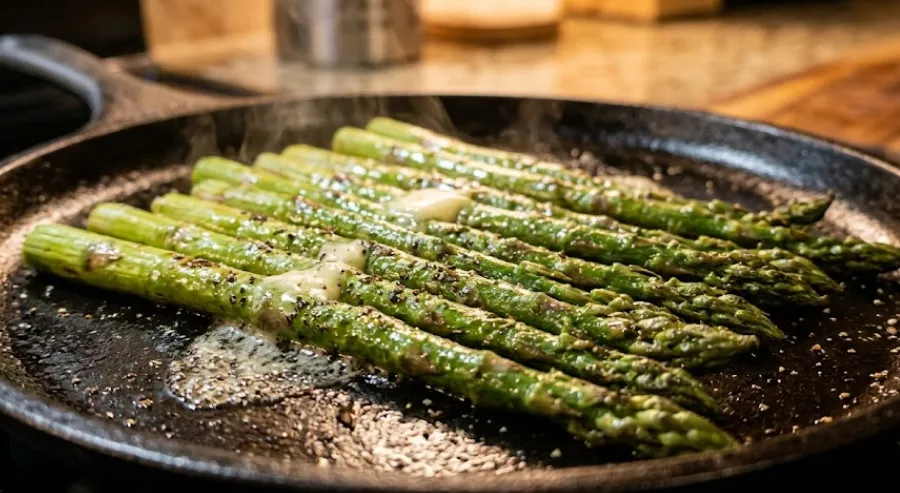
Five to seven minutes is plenty of time for a skillet on medium-high heat. The pan must be hot enough to make the oil sizzle on contact. Shake the pan frequently to expose all sides to the hot metal. A vibrant green color signals the food is ready. Fast pan-frying keeps the physical structure intact.
Steaming Guidelines
Steaming is the fastest option and requires only 3 to 5 minutes. Push a fork into the thickest part of the spear to test the texture. The metal should slide in with a tiny amount of resistance. This method highlights the natural sweetness of the plant and keeps the inside incredibly juicy.
Choosing the Right Method
Finding the best way to cook asparagus depends entirely on what you want to eat. Roasting delivers a smoky flavor with crispy edges that pairs well with heavy main courses. Steaming brings out a pure, clean taste that works perfectly in warm salads. A quick sauté is the smartest choice for busy weeknights with limited prep time.
Pairing Ingredients and Timing
If you are looking for new Fresh asparagus recipes, mixing roasted spears with minced garlic and toasted almonds is a classic option. Sprinkling parmesan cheese during the final two minutes in the oven creates a beautiful crust. Asparagus absorbs surrounding flavors very easily. Adjust your total time if you add quick-cooking items like cherry tomatoes or mushrooms.
Temperature and Timing Reference
Here is the raw data for the three main cooking methods based on medium-thick stalks:
Heat Method | Required Temperature | Approximate Time | Final Texture |
|---|---|---|---|
Electric Oven | 425 Degrees Fahrenheit | 12 to 15 minutes | Caramelized and blistered edges |
Cast Iron Skillet | Medium-high heat | 5 to 7 minutes | Bright green and snappy |
Steamer Basket | Boiling water vapor | 3 to 5 minutes | Juicy and sweet |
how to cook fresh asparagus
Cooking this vegetable requires three strict habits. You must dry the stalks completely, avoid overcrowding your pan, and account for the residual heat after cooking. Following these basic rules keeps the quality of your food at a professional level.
The Secret to Lasting Flavor on the Dinner Table
Even with perfect timing, asparagus sometimes carries a sharp, raw bite that some people dislike. Home cooks often feel something is missing from the final plate. High-quality fat fixes this bitter note instantly. Melting a small piece of real butter over the stalks in the final seconds of cooking coats them in a silky finish. The quality of your finishing ingredients determines whether a side dish is easily forgotten or asked for again. Adding a rich dairy element balances that sharp taste naturally. Grate some fresh Parmesan cheese directly over the hot spears right before serving. The residual heat melts the cheese into a perfect savory topping. We hope these practical habits help you get the absolute best texture out of your next bunch.
You can check butter price in Calin's website.
Frequently Asked Questions
No. Peeling destroys the structural integrity of the spear. The vegetable becomes incredibly weak against heat and turns mushy after cooking. You only need to slice off the tough, woody base with a knife.
Steaming produces a much higher quality result. The stalks sit above the water and retain their natural sweetness and nutrients. Direct boiling forces the vegetable to absorb too much water and dilutes the flavor.
Keep your cooking times short and pull the stalks off the heat before they become completely soft. The trapped internal heat will finish the job. Drop hot steamed spears directly into a bowl of ice water to stop the cooking instantly.
A microwave will ruin the texture completely. Place a suitable skillet over low heat and warm the stalks gently with a tiny drop of olive oil. This preserves as much of the original crispness as possible.