

Blog
Healthy Snacks for Kids That They Will Actually Love


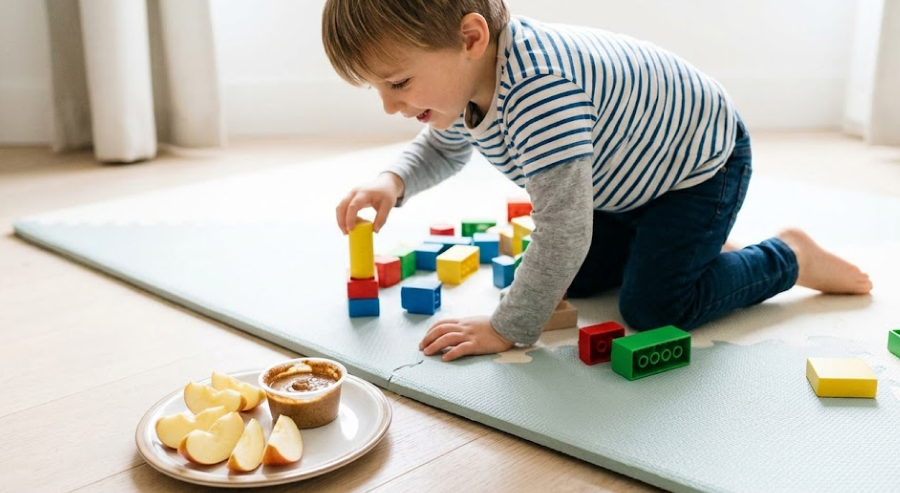
Your five-year-old is raiding the pantry at 10 AM, demanding sugary, processed cookies again. We have all been there. Maintaining consistent energy through healthy snacks for kids prevents mid-morning slumps and unnecessary mood swings. A packaged cookie spikes blood sugar, only to crash it an hour later. Smearing natural nut butter on apple slices slows digestion and keeps children satisfied until lunch. Finding that balance between appealing taste and solid nutrition makes a real difference.
Why Healthy Snacks Are Important for Children
Children have tiny appetites and cannot pack all their daily caloric needs into three massive meals. Skipping snacks often backfires, leading to irritability or overeating during dinner. Sustained nutrition keeps their energy steady. Their growing brains need a constant glucose flow to focus. Without a mid-morning bridge, they hit a wall. A piece of natural cheese paired with a few almonds provides protein and healthy fat. This keeps them steady through the final school period.
Managing the post-school energy crash
The period right after school is a vulnerable time for children. They have spent hours following rules and concentrating in noisy environments. Dropping their backpacks at the door usually comes with a massive drop in energy. Serving a balanced snack within the first fifteen minutes of arrival creates a necessary transition. A small bowl of edamame or a slice of whole-grain toast with mashed avocado replenishes their depleted reserves. This specific timing prevents the late-afternoon tantrums that frustrate so many parents. Giving them a nutritious option immediately shifts their mindset and prepares them for homework or free play.
The connection between blood sugar and mood
Hunger often hides behind behavioral issues. When the gap between lunch and dinner stretches beyond six hours, a child’s liver glycogen stores run low. Giving them a high-carb snack creates a rapid insulin spike, followed by a sharp drop. Swapping those items for nutritious snacks for kids high in fiber breaks this cycle. Half a banana topped with a spoonful of Greek yogurt offers natural sweetness and satisfies hunger at the source. This method works.
Best Ingredients for Healthy Snacks for Kids
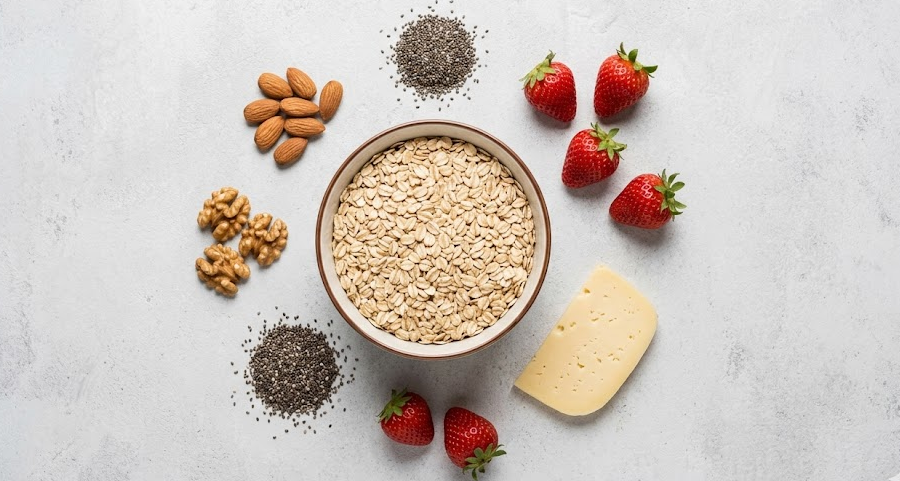
Nutritious choices must cover a mix of macronutrients. Relying solely on fruit is a mistake. Natural fruit sugar digests too quickly. Adding a protein source or healthy fat slows that process down. Rolled oats serve as a base for many snacks because they offer high fiber. Chia seeds absorb liquid, filling the stomach and creating a sense of fullness.
Natural dairy provides high-quality protein for muscle growth. Cheese with a standard fat percentage offers the flavor kids enjoy and the calcium bones require. Combining these base ingredients creates variety in their daily intake.
Navigating nut-free school policies
Most preschools and elementary schools enforce strict nut-free rules to protect students with severe allergies. This eliminates traditional staples like peanut butter or trail mix from your lunchbox rotation. Replacing these requires a bit of creativity to maintain the necessary protein intake. Sunflower seed butter mimics the texture and fat profile of peanut butter perfectly. Roasted chickpeas dusted with paprika offer a satisfying crunch similar to almonds. Packing pumpkin seeds alongside a cheese stick delivers high levels of magnesium and zinc. Adapting to these restrictions pushes you to discover alternative ingredients that still provide long-lasting energy.
Nutritional values of common ingredients
Food Combo (per 100g) | Net Carbs (g) | Fiber (g) | Estimated Glycemic Index |
|---|---|---|---|
Oats and peanut butter | 22 | 4.5 | 45 |
Greek yogurt with berries | 8 | 1.2 | 32 |
Whole grain crackers and gouda | 15 | 3.8 | 55 |
Sliced apple with walnuts | 14 | 3.1 | 38 |
Fiber and protein as the winning combo
Soluble fiber in apples and carrots forms a gel-like texture in the stomach, slowing gastric emptying. Protein stimulates satiety hormones. Parents looking for easy healthy snacks for kids often reach for a plain banana. Adding a thin layer of natural cream cheese or sesame butter to that banana completely shifts its nutritional profile. This simple formula saves hours in the kitchen and delivers a high-quality result.
Click to see cream cheese price in Calin.
Quick and Easy Healthy Snacks for Kids
Early mornings leave no time for complex cooking. You need combinations that assemble in under five minutes. Quick healthy snacks for children must travel well in a lunchbox without getting smashed. A reliable trick is baking egg muffins the night before. Whisk eggs with chopped spinach and cheese, then bake in mini tins. These muffins stay fresh in the fridge for three days. Just pop one into the lunchbox in the morning.
Whole-wheat wraps with turkey slices and cheese offer another fast option. Sturdy whole-grain bread holds moisture well and stays fresh until noon. Cutting these wraps into bite-sized pieces makes them easier for kids to eat during recess.
Batch prepping smoothies for the week
Smoothies pack a massive amount of vitamins into a small glass. Making them from scratch every single afternoon creates a mess. The smart workaround is building freezer packs on Sunday. Put a handful of spinach, half a sliced banana, and frozen berries into individual bags. Store these in the freezer. When your child asks for a snack, just dump one bag into the blender and add a splash of milk. This process takes exactly thirty seconds. The frozen fruit acts as ice, giving the drink a thick milkshake texture that kids genuinely enjoy.
Preparing ahead for the work week
Peeling and chopping vegetables right before serving takes too much time. Chop carrots, cucumbers, and celery on the weekend and store them in glass jars filled with water in the fridge. This keeps the texture crisp for five days. When kids get home from school, the veggies are ready to pair with a small bowl of hummus. Having these items prepped lowers the chance of them reaching for processed junk food and makes managing nutrition much simpler.
Tips for Making Snacks Fun and Appealing
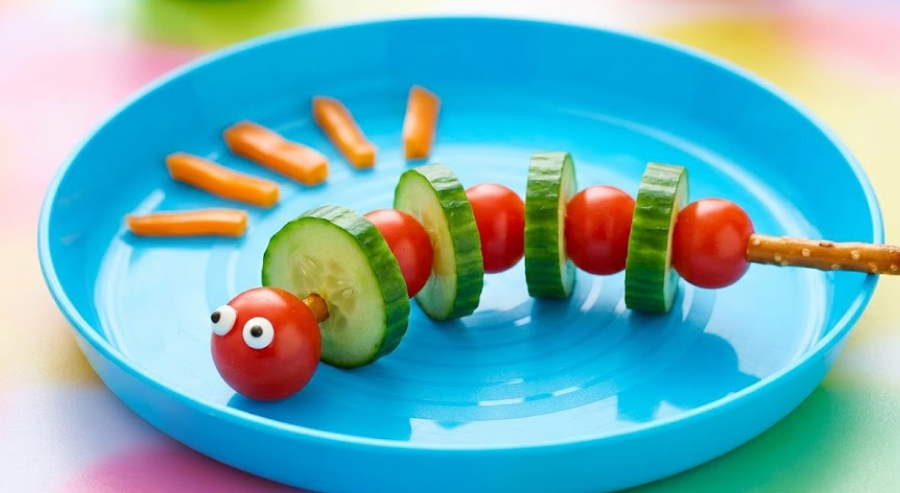
Kids eat with their eyes. A plain carrot holds little appeal. That same carrot, cut into star shapes, disappears quickly. Using small wooden skewers for fruit and cheese is a proven method. Skewer a piece of watermelon, a cube of mozzarella, and a mint leaf. The color contrast stimulates the appetite.
Avoid the trap of hiding vegetables inside cakes. Sneaking zucchini into muffins works in the short term, but it never gets the child used to the actual taste of vegetables. Present vegetables with an appealing look and pair them with a tasty dip so the child chooses them willingly.
Involving children in the assembly process
Children resist foods that are forced upon them. Giving them a sense of ownership over their diet changes this dynamic completely. Set up a mini snack station on a low shelf in your pantry or fridge. Stock it with approved items like pre-cut fruit, string cheese, and whole-wheat pita bread. Let your child build their own mini pizzas or assemble their own fruit skewers. A child who physically spreads the hummus onto their celery stick is far more likely to eat it. This hands-on approach reduces mealtime power struggles and builds their confidence in the kitchen.
You can order and buy pizza cheese in Calin's website.
Color psychology in the lunchbox
Warm colors like orange and red stimulate the appetite. Placing cherry tomatoes next to darker items like walnuts or whole-grain bread creates visual balance. A lunchbox containing only potatoes and bread looks uniform and dull. Adding blueberries or pomegranate seeds to yogurt transforms the visual appeal. Kids show more interest in trying new flavors when the presentation is engaging.
Healthy alternatives to supermarket snacks
Kids naturally crave crunchy, salty items. Factory-made chips contain hydrogenated oils and processed salt. Roasting thin slices of sweet potato in the oven with a touch of olive oil gives the child that same crunch with far fewer calories and higher Vitamin A. This method is incredibly healthy.
You can replace colorful popsicles by pureeing summer fruits like nectarines with a splash of lemon juice and freezing them. This method contains no added sugar and the frozen texture works perfectly for hot days. For gummy candies, making gelatin at home with pure fruit juice works well. You control the sweetness and eliminate industrial preservatives.
Texture and temperature matter for acceptance
Children under seven are sensitive to food textures. Combining contrasting textures is a trick to encourage eating. A bowl of yogurt has a soft texture that becomes boring after a few bites. Sprinkling crunchy homemade granola on top adds an engaging contrast.
Temperature plays a decisive role. Grapes served chilled taste sweeter. Conversely, homemade muffins served slightly warm fill the kitchen with the scent of butter and vanilla. Understanding these sensory preferences ensures that healthy snacks for kids are better received.
check out our breakfast cheese in the Calin's website.
Practical gear for packing school lunches
Choosing the right container directly affects food quality. Cheap plastic containers leach chemicals and alter the taste of fruit. Stainless steel containers with thick walls maintain temperature effectively. These containers are safer for carrying yogurt or cheese.
Using small gel ice packs next to the lunchbox prevents spoilage throughout the day. These packs are necessary, especially for snacks containing animal products or dairy. The ingredients stay fresh until recess.
Multi-compartment containers preserve quality
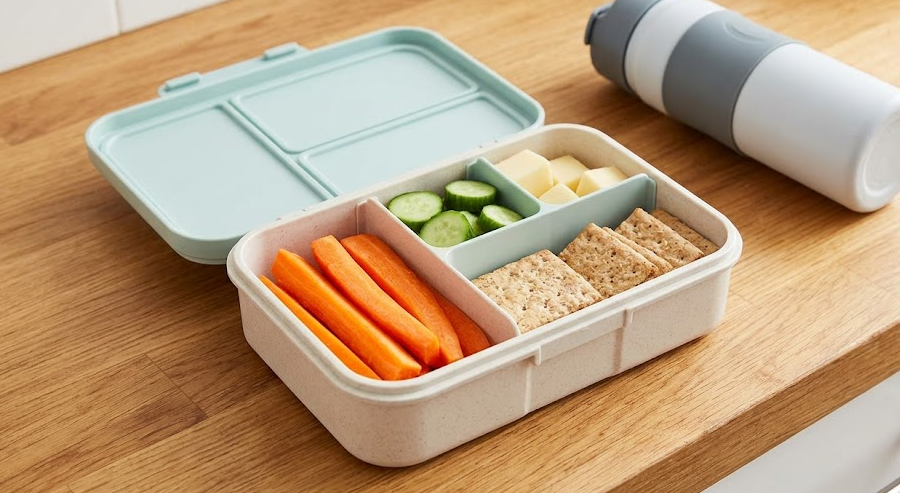
Bento-style containers with separate sections prevent flavors and textures from mixing. Cucumber moisture should not reach crackers. Otherwise, the crackers go soggy and the child throws them away. These dividers let you pack a variety of macronutrients in a small space, keeping everything neat and appetizing.
Ensuring authentic taste with fresh dairy
Finding dairy products produced without artificial thickening agents is difficult today. Many cheeses and yogurts contain industrial stabilizers for shelf life, which interfere with calcium absorption. In children's nutrition, the purity of milk fat and the absence of vegetable fats like palm oil is a serious engineering topic in dairy production. Natural milk fat contains fat-soluble vitamins like D, which are essential for full calcium absorption in growing bones.
At our team, we focus on natural fermentation and preserving the protein structure of milk. Kalleh uses fresh milk and monitors the cold chain, producing items free from artificial texturizers. Including these in a child's lunchbox ensures they receive the most authentic form of nutrients. Thank you for reading; we hope these points help you prepare a healthy snack.
Also read: Healthy Breakfast Foods
Frequently Asked Questions
Yes. Great taste does not require excessive sugar. Pairing natural fruits with nut butter or natural cheese creates a creamy texture and mild sweetness that appeals to children's palates.
Apples, bananas, baby carrots, and cucumbers are top choices. They offer a satisfying crunch and travel well in school lunches. Strawberries and grapes also work well because their small size is kid-friendly.
Children have smaller stomachs and higher activity levels, so they generally need two to three snacks daily. Mid-morning, late afternoon, and sometimes a light evening snack are appropriate times.