

Blog
Dairy Free Ice Cream: Easy Homemade Recipes Without Dairy

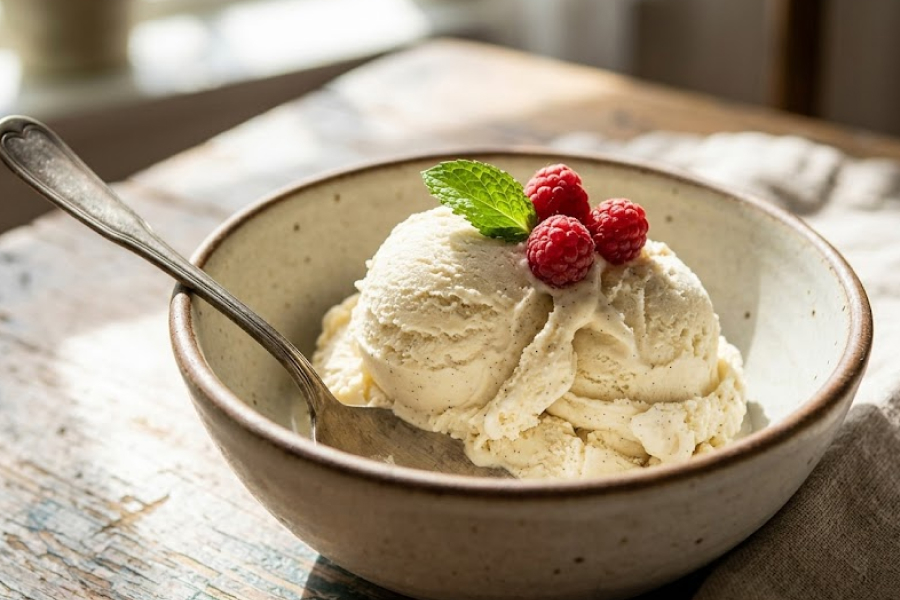
You love ice cream. Yet, your stomach rejects cow's milk, or you follow a plant-based diet. Preparing a dairy free ice cream recipe is the finest choice here. Combining chilled full-fat coconut milk with maple syrup yields a soft texture. A small pinch of sea salt helps balance sweetness and enhances the overall flavor. A proper plant base stands in for animal cream all on its own. This mix gives your dessert a beautiful creamy appearance.
What Is Dairy Free Ice Cream
A non-dairy cold dessert contains zero animal products. We use extracts from almonds, soy, oats, and coconuts to make Non dairy ice cream. Years ago, plant-based items had an icy texture. Their taste fell flat. Things are different now. High coconut fat creates a structure identical to traditional versions.
Producers utilize plant gums to maintain structural integrity. These components stop water from separating from the fat. Maple syrup is the top option. This syrup's structure resists freezing at sub-zero temperatures. That preserves the dessert's softness. (Of course, many on the market use cheap sugar to boost sales and keep that reality under wraps!)
Types of Dairy Free Ice Cream
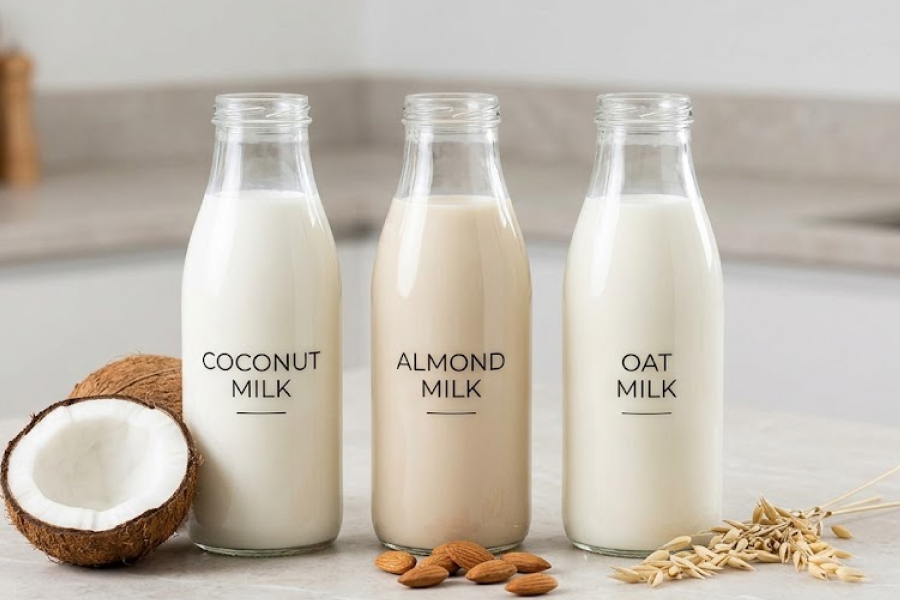
Multiple bases exist for crafting this dessert. Each displays distinct physical and chemical properties. Coconut milk holds the highest saturated fat content and builds a highly rich texture. Almond milk is lighter, serving those who prefer a milder profile.
Oat milk adds a gel-like consistency due to its soluble fiber. Soy milk is often valued for its higher protein content, which can help improve texture and slow melting. Soy's high protein helps the final texture resist rapid melting. You must note the moisture and fat levels of the base to pick the best option. A Healthy dairy free ice cream is formulated based on dietary needs.
Selected Plant Base | Raw Fat Content | Heat Resistance Level |
|---|---|---|
Whole Coconut Milk | 21 Percent | Very High |
Oat Extract | 3 Percent | Medium |
Sweet Almond Milk | 2 Percent | Low |
Ingredients Used in Dairy Free Ice Cream
Crafting a Homemade dairy free ice cream requires few components. Sourcing high-tier materials marks the difference between an icy block and a smooth dessert. We rely on a specific core structure to build that perfect base:
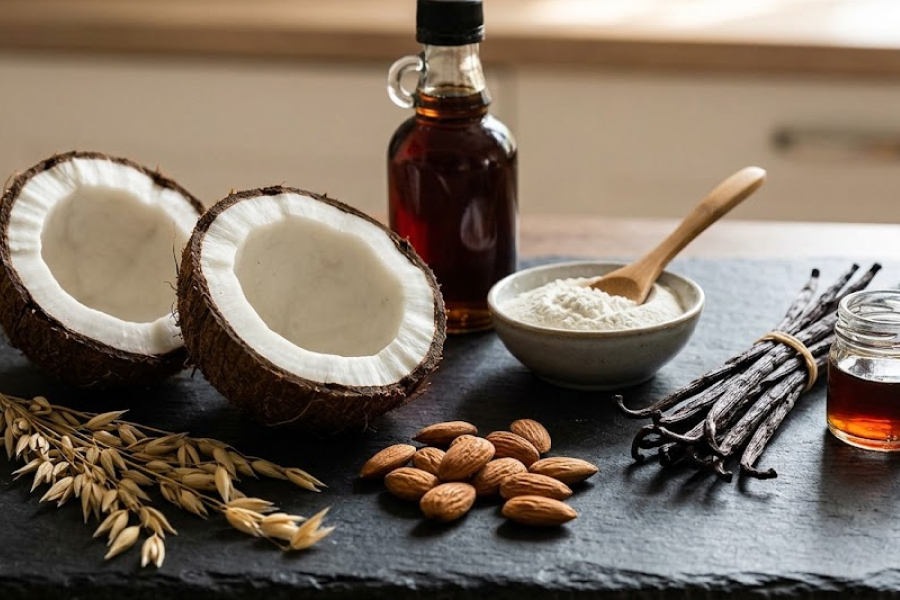
- High-Fat Plant Milk: The absolute foundation of the mix. We always suggest organic full-fat coconut milk to guarantee a rich mouthfeel.
- Liquid Sweeteners: White sugar hardens the texture by crystallizing in the freezer. Pure maple syrup resolves that issue completely.
- Pure Vanilla Extract: Brings a very warm, deep aroma that elevates the entire profile.
- Sea Salt: An indispensable element. Many overlook this detail. Salt binds flavors together and tames the sweetness.
- Guar Gum: A tiny amount prevents large ice crystals from forming and acts as a stabilizer.
All these materials interact physically and chemically to generate a cohesive, uniform structure. You need this exact synergy to mirror traditional textures.
Common Mistakes When Making Dairy Free Ice Cream
Relying on low-fat plant milk is the biggest error. People reach for thin almond or oat milk to cut calories. Without enough fat, the final texture is more likely to become icy rather than creamy. Your final product will resemble a popsicle. Low-fat plant milks often produce a noticeably icier texture because they lack the richness needed for a creamy consistency.
Another error is ignoring the machine. This hardware injects air into the mixture. Aeration brings lightness and softness. If you lack the machine, you must remove the bowl from the freezer every half hour and stir. Leaving the container to sit unmixed forms hard crystals.
Sweetener Impact on the Final Form
Sugar molecules behave predictably during freezing. Liquid sugars lower the freezing point of the mixture. Liquid sweeteners such as honey or maple syrup can help keep the ice cream softer than granulated sugar after freezing. If you opt for granulated sugar, the moisture inside the plant base freezes rapidly. That issue turns your dessert into a rock after a day in the deep freeze.
We recommend tasting the raw base before freezing. Cold dulls the intensity of sweetness. Therefore, your liquid base should taste slightly sweeter than usual. Nailing this ratio requires trial and error.
If you want to buy breakfast cream, click on it.
The Importance of Fat Percentage in Plant Bases
A creamy mouthfeel only develops in the presence of fat. Saturated fats are solid at room temperature and melt quickly in the mouth. That is the exact sensation you expect from a cold dessert. Using coconut cream instead of standard milk elevates the output quality. Coconut cream has a very low water percentage. A balanced water-to-fat ratio plays an important role in creating a smooth and creamy texture. If your base carries too much water, gums alone cannot prevent freezing. The market is flooded with products padded with excess water. Those businesses use water to slash production costs. The result is a subpar, disappointing product.
Required Equipmeont for Cld Dessert Production
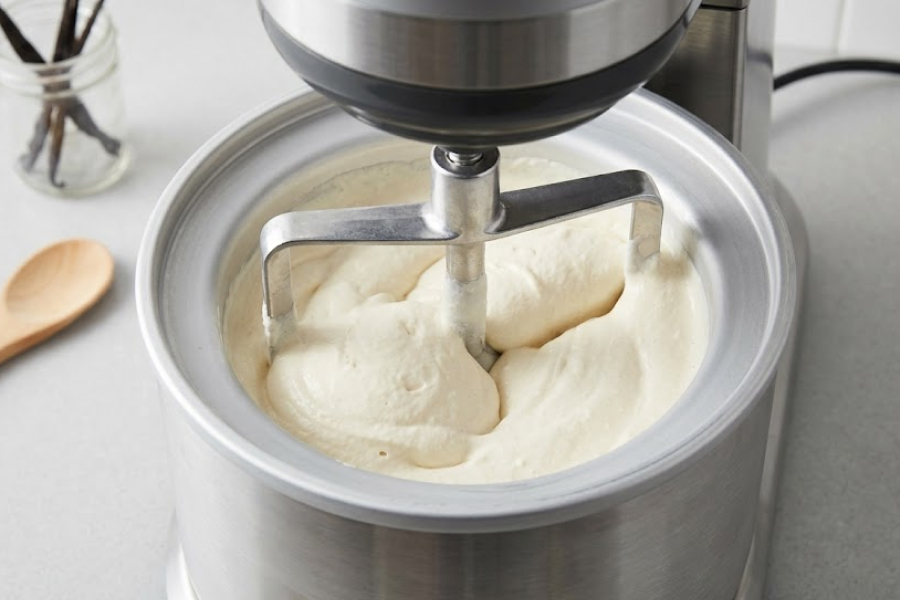
Proper gear smooths out the workflow and dictates the final texture. Relying on makeshift tools often leads to grainy results. We utilize a specific set of hardware to maintain structural control during freezing:
- Compressor-Equipped Machines: If you make ice cream regularly, these machines can be a worthwhile investment. Their built-in cooling system means you can start churning right away without planning a day ahead.
- Cooling Canister Models: A standard home machine works well. The bowl must stay in the deep freeze for a full day, otherwise, the base stays liquid and blocks air incorporation.
- High-Speed Electric Mixers: For those without an ice cream maker. You must agitate the mix at short intervals manually to shatter the forming ice crystals.
- Stainless Steel Bowls: Required for manual methods. Metal transfers cold efficiently and speeds up the stabilization phase.
Operating with the right hardware cuts down on trial and error. That mechanical advantage ensures your emulsion sets properly before water separates.
The Correct Method for Adding Flavorings
Flavors must enter the mix at the right moment. If using fresh fruit, you must cook them before integration. Raw fruit holds heavy moisture and turns into hard ice chunks. We always simmer fruit puree with a bit of sugar to evaporate the excess moisture.
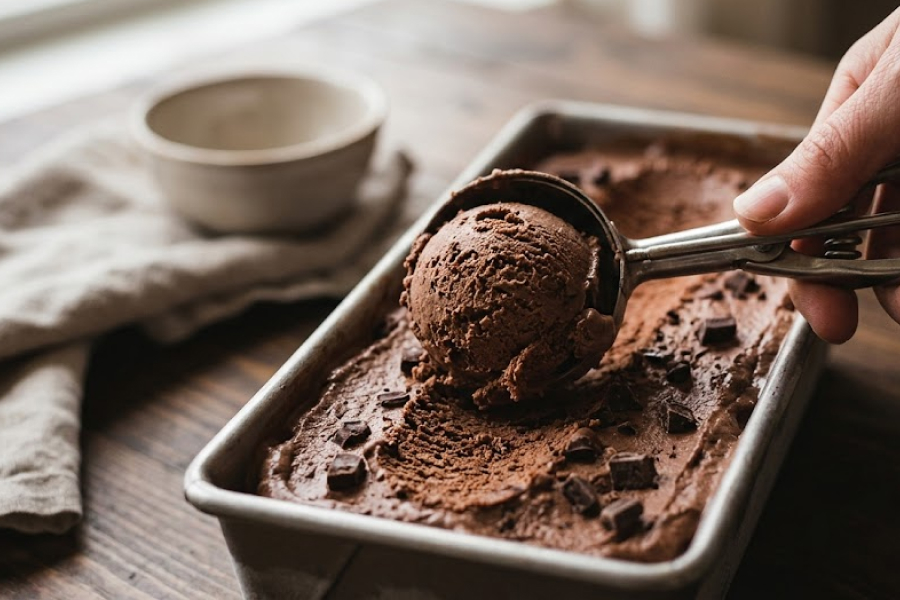
Drop chocolate chips or nuts in during the final minutes of churning. Adding them early causes them to sink, ruining the textural uniformity. Liquid extracts like vanilla or mint should also be mixed in after the base cools entirely. High heat destroys the chemical structure and aroma of these extracts.
Evaluating Plant Gum Performance in Texture
Gums are substances that increase liquid viscosity. Guar and xanthan gums see the most use in this sector. A tiny amount of these materials traps moisture. That action prevents the water and fat phases from separating. Calibrating the gum ratio is a highly sensitive process in our industrial trials.
Overdosing the gum makes the final texture elastic and gummy. For home batches, half a teaspoon of guar gum per liter of liquid suffices. Whisk the gum with a little sugar before pouring it into the liquid to prevent clumping.
Long-Term Freezer Storage Conditions
Oxygen is the main enemy of cold dessert quality. Once the mix is ready, transfer it to a lidded plastic or glass container. We place a piece of parchment paper or plastic wrap directly on the surface of the food. That blocks air contact and prevents surface crystals from forming.
The freezer temperature should sit at minus eighteen degrees Celsius. Temperature fluctuations cause repeated thawing and freezing, which ruins quality. Try placing the container in the deepest section of the freezer. Freezer doors are poor storage spots due to constant opening and closing.
Nut Butter Based Core Formulation
Folding a spoon of peanut or almond butter into the main base heavily enriches the texture. Nut butters contain protein. Together, they increase the stability of the emulsion. We utilize this technique in many recipes to boost the material's thickness. The butter must not contain large chunks.
You should heat the butter gently alongside the liquids until it dissolves fully. Otherwise, the butter particles solidify in the freezer and create a sandy mouthfeel. The nutty profile pairs exceptionally well with vanilla extract.
If you want to buy butter, you can check our website.
Acidity Balance in Fruity Flavors
Crafting cold desserts with lemon or strawberry profiles requires acid regulation. Citrus acid can curdle and coagulate soy or almond proteins. To prevent that, we add the fruit juice in the final stages while the mixture is freezing.
Using slightly more sugar is also necessary to balance the tartness. Cold dampens human taste receptors for sweet flavors, yet sourness registers with the same intensity. That reason makes fruit formulas demand higher precision in measuring components.
Natural Alternatives for Colorings
Visual appeal holds high value in the consumption experience. Industrial goods are packed with chemical dyes. We use a tiny fraction of turmeric powder or saffron extract to generate a soft yellow hue. Turmeric imparts zero flavor in small doses but creates a beautiful color.
For a pink shade, dried beetroot powder is the prime choice. Just a pinch of this powder simulates a natural strawberry tint. We always stick to materials that carry high nutritional value alongside good looks. Natural colors show solid stability against light and freezer cold.
Also if you want to know how to make a Pumpkin Pie, click on it.
Time Management in the Home Production Process
Many people chase quick results. Yet producing a high-quality output is a time-intensive process. Initial chilling of the base in the fridge must take at least twelve hours. That window gives proteins and fats the opportunity to form stable bonds. We technically refer to this as the aging phase.
A well-rested base expands better in the machine. Rushing this stage wastes all your effort. After exiting the machine, the container must sit in the freezer for four hours to find its final form. Proper scheduling is a major part of this work.
Serving Dish Impact on Texture Retention
You might think the job ends after the freezer phase. Choosing the right serving dish matters just as much. Thick glass bowls hold cold well. We always suggest placing the serving dishes in the freezer ten minutes prior. That action prevents rapid melting in room air.
Using metal scoopers that are slightly warmed makes extracting solid portions easier. Through this method, you preserve the visual appeal of the product, leaving clean, smooth cut edges.
Also read: Cream Cheese Cake Recipe
Frequently Asked Questions
Yes. If crafted with pure ingredients and natural sweeteners like maple syrup, these mixtures contain zero cholesterol and benefit the body. Monitoring coconut fat intake remains important, though.
Absolutely. Utilizing high-fat bases like coconut cream and following liquid homogenization principles creates a form completely identical to animal versions, rendering it very soft. The aeration machine acts as a major help here.
When stored in sealed containers avoiding direct air contact, these desserts hold their peak quality in the deep freeze for two to three weeks.
Yes. You need to place the base in a metal bowl inside the freezer and mix it with a high-speed electric mixer every thirty minutes to break down the crystals.